
 Home
Home Stoves

 Services

 Outdoor
 Contact
 Service Areas
Log Burners, Chimney Maintenance, Stove Installation, Wood Burner Installation
Are Wood Burners Still Legal in Scotland 2026 Guide?
Jan
← Back to the Dundee Stove Blog
Are Wood Burners Still Legal in Scotland in 2026?
The short answer is: yes, wood burners are still legal in Scotland in 2026—but the detail matters. If you’re searching are wood burners still legal in Scotland 2026, what you’re really asking is whether you can install and use a stove legally in your area, with the right appliance, the right fuel, and the right installation paperwork. This guide explains what’s actually regulated (and what isn’t), how to stay compliant, and how to operate cleanly.
If you’re planning a new stove, also browse: stoves & brands and our local coverage: Dundee service areas.
Are wood burners still legal in Scotland 2026? The answer (in plain English)
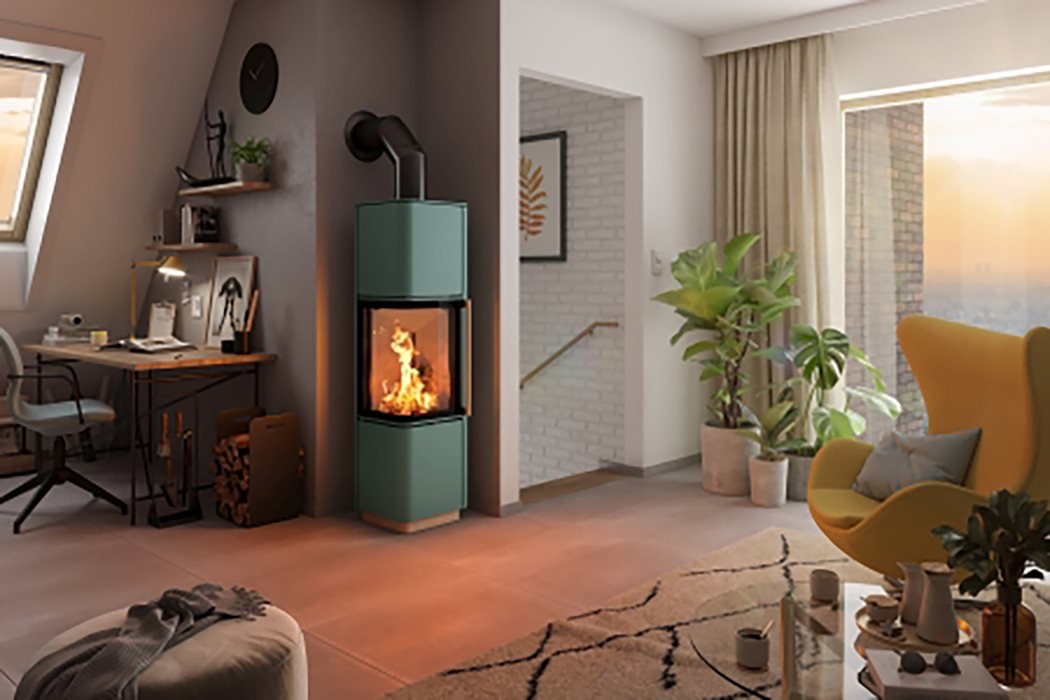
If you came here asking are wood burners still legal in Scotland 2026, here’s the clarity: wood burning stoves are legal, and people are still installing them across Scotland in 2026. What’s regulated is how they’re installed and how they’re used—particularly in built-up areas.
In practice, most “legal” problems fall into one of these buckets:
- Non-compliant installation (flue, clearances, ventilation, commissioning, paperwork)
- Wrong appliance for the location (especially where smoke control considerations apply)
- Poor fuel and poor lighting technique (which increases smoke and soot)
- Lack of maintenance (blocked flues, downdraught issues, unsafe operation)
If you want a simple compliance route, start with: Building Regulations for Wood Burners and HETAS Stove Installer Scotland.
What’s changed (and why people keep asking)
The reason searches like are wood burners still legal in Scotland 2026 keep trending is because air-quality messaging is often simplified into headlines. Most headlines don’t explain the difference between:
- A ban on all stoves (not what’s happening for existing compliant domestic stoves)
- Restrictions in certain areas (especially around smoke control considerations)
- Appliance standards (newer, cleaner appliances replacing older inefficient models)
- Fuel standards and correct operation (the biggest real-world cause of smoke complaints)
In other words: the direction of travel is “cleaner burning and better practice,” not “every stove is illegal.” If your goal is to stay on the right side of compliance in 2026, focus on installation quality and good use.
Smoke control areas in Scotland: what matters in 2026
When people ask are wood burners still legal in Scotland 2026, they’re often living in (or near) a built-up town where smoke complaints are more likely. Smoke control rules typically focus on emissions and what’s burned, rather than the mere presence of a stove.
What you should take from this
- A modern stove is more likely to be suitable than an older, inefficient model
- Dry wood and correct lighting dramatically reduce visible smoke
- Slumbering the stove (starving air) increases soot and smoke
- A properly designed flue helps maintain stable draft and cleaner burns
If you want the practical, install-side view of compliance (clearances, ventilation and flues), use: Building Regulations for Wood Burners. It’s the page most homeowners should read before committing to an installer.
Ecodesign stoves: the appliance standard people mean (even if they don’t say it)
Another reason the phrase are wood burners still legal in Scotland 2026 shows up so often is because “Ecodesign” has become shorthand for “newer, cleaner stoves.” In plain terms, Ecodesign-era appliances are designed to burn more efficiently and reduce emissions when used correctly.
What Ecodesign means for homeowners
- Cleaner combustion (when paired with dry fuel and correct lighting)
- Better controllability (less “smoulder,” more stable burn)
- More realistic suitability for built-up areas (when installed and used properly)
If you’re choosing a new appliance in 2026, it’s sensible to select a modern stove that aligns with current expectations and best practice. You can browse modern options here: Stoves & Brands (Dundee).
Fuel rules and “clean burning”: what actually changes outcomes
Many “stove legality” arguments in 2026 aren’t really about legality—they’re about smoke. Smoke is overwhelmingly driven by fuel moisture and lighting technique. So if you’re still thinking are wood burners still legal in Scotland 2026, the best answer is: yes—operate them properly.
Dry wood matters more than most people realise
Wet logs burn cooler and dirtier, increasing smoke and soot. For practical, homeowner-friendly advice, use: Best Wood for Log Burners.
Clean lighting reduces start-up smoke
We recommend clean ignition using: Hot Box Firestarter and the Hot Box Firestarter product. Faster ignition and hotter early burn means less start-up smoke and more stable combustion—especially helpful in built-up areas.
Building regs, HETAS and documentation: the part that protects you
If someone asks are wood burners still legal in Scotland 2026, a lot of the risk sits in poor installation and missing paperwork. A compliant installation should be designed around safe clearances, correct ventilation, appropriate flue design, and proper commissioning checks.
Use these as your baseline references: Building Regulations for Wood Burners and HETAS Stove Installer Scotland.
What you should expect from a professional installation process
- Survey (property, room, chimney/flue assessment, air supply, suitable options)
- Specification (appliance choice, flue route, hearth/clearances, ventilation)
- Installation (safe fitting and making good)
- Commissioning (checks, safe operation handover, user guidance)
- Documentation (records you keep for insurance and future sale)
Start the process here: Wood Stove Services Scotland.
Best practice use in 2026: the simplest way to stay compliant
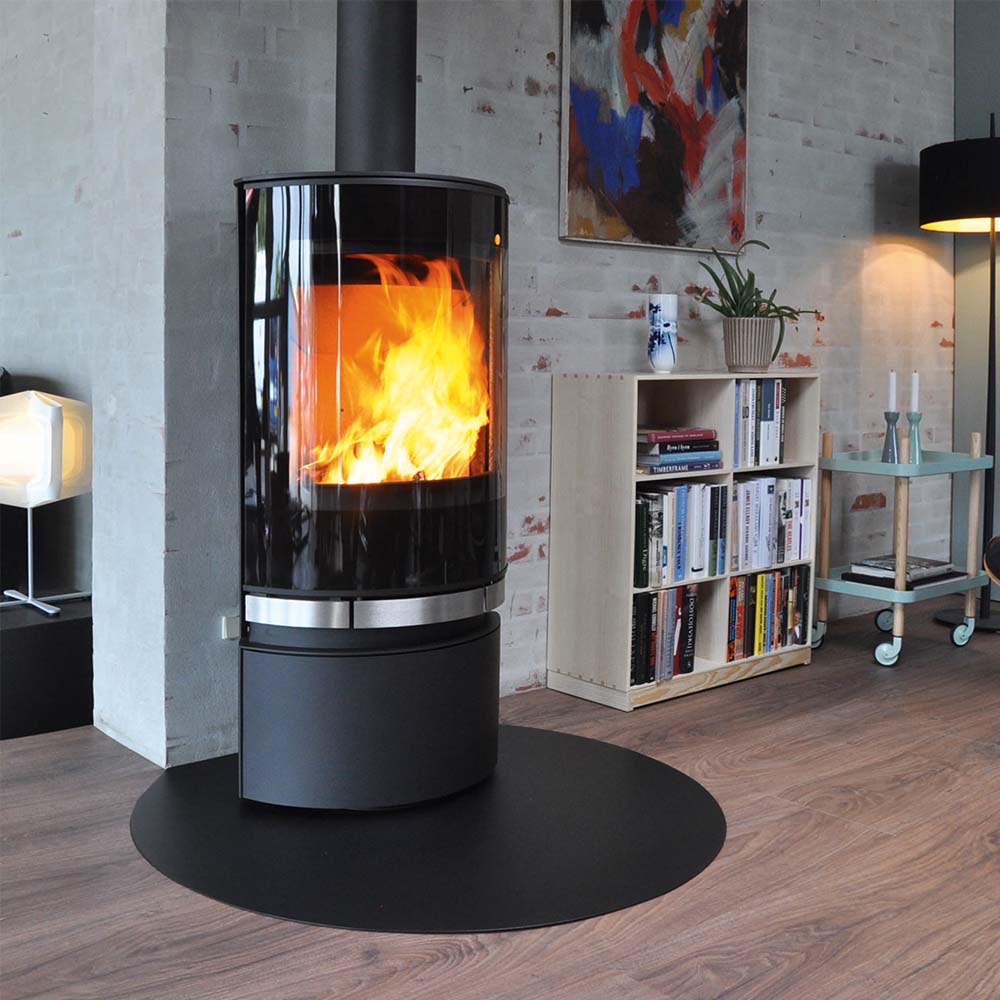
The cleanest answer to are wood burners still legal in Scotland 2026 is: yes—when used responsibly. Here are the practices that most reduce risk, complaints, and soot build-up.
Do this (cleaner operation)
- Use dry fuel and store it properly
- Light fast and hot (avoid long, smoky ignition)
- Run the stove at proper temperature rather than slumbering
- Keep air controls appropriate for clean combustion
- Sweep and maintain so the flue stays safe and stable
Don’t do this (common causes of smoke)
- Burn wet logs, treated timber, painted wood or household waste
- Run the stove constantly at low air (smoulder/slumber)
- Ignore poor draft symptoms (smoke spillage, heavy soot, odours)
- Skip sweeping and assume the flue is “fine”
If you need sweeping and servicing support outside of the Hot Box ® network, we advocate: TheStoveGuys.com. For spare parts and consumables, see: Fire Spares.
Dundee + Scotland: how we help you stay compliant
If your question is are wood burners still legal in Scotland 2026 because you’re worried about getting it wrong, the best protection is a clear, documented process. We support homeowners with surveying, specification, compliant installation and commissioning guidance.
Useful starting links: Wood Stove Services Scotland, HETAS Installer Scotland, Building Regulations Guide, Dundee Service Areas.
FAQs
Are wood burners still legal in Scotland 2026 if I live in a smoke control area?
In many cases, yes—subject to appliance choice, fuel choice and responsible operation. If you’re unsure, a survey and a compliance-led installation route is the safest approach. Start with: Building Regulations for Wood Burners.
Do I need HETAS certification for a new stove in Scotland?
Many homeowners choose a certified installation route because it provides a clear compliance and documentation pathway. Learn more here: HETAS Stove Installer Scotland.
What’s the biggest reason stoves get complaints in 2026?
Poor fuel and poor lighting technique—especially long, smoky ignition and damp logs—followed by slumbering the stove at low air. Clean ignition and dry wood dramatically reduce smoke.
What’s the simplest way to stay compliant after installation?
Use dry wood, light the stove properly, avoid slumbering, and maintain the flue with regular sweeping and servicing. These practices keep your system cleaner and reduce nuisance smoke risk.
