
 Home
Home Stoves

 Services

 Outdoor
 Contact
 Service Areas
Stove Installation, Log Burners, Wood Burner Installation
Wood Burning Stove Installation Scotland | 2026 Guide
Jan
← Back to the Dundee Stove Blog
Wood Burning Stove Installation Scotland | 2026 Guide
If you’re researching wood burning stove installation Scotland in 2026, you’ll see mixed advice on regulations,
HETAS certification, smoke control areas, and what a “compliant install” really looks like. This guide explains
wood burning stove installation Scotland in a practical way—so you can plan the project properly, avoid common mistakes,
and get the best performance from your stove.
Planning links you’ll use during your wood burning stove installation Scotland journey:
building regulations,
stoves & brands,
HETAS compliance.
What this 2026 guide covers
A modern stove is not “just a box with a pipe”. A successful installation is a system: appliance + flue + ventilation + heat protection + commissioning + paperwork.
This guide is designed to help you make good decisions early, so your wood burning stove installation Scotland runs smoothly and performs properly.
- How compliance works for wood burning stove installation Scotland in 2026
- What HETAS certification does (and doesn’t) cover
- Why flue design is the biggest performance variable
- How ventilation affects smoke, soot and user experience
- Costs and timelines for Scottish installs (real drivers, not guesses)
- How to reduce smoke with better lighting and fuel practices
If you want our end-to-end process (survey → install → commissioning → documentation), start here:
Wood Stove Services Scotland.
Wood Burning Stove Installation Scotland: compliance & regulations in 2026
In 2026, homeowners searching for wood burning stove installation Scotland are usually worried about two things:
safety and legality. The simplest way to think about compliance is: correct appliance + correct flue + correct ventilation + correct clearances + correct commissioning.
Miss any one of these and you risk poor performance, nuisance smoke, or avoidable safety issues.
On our Dundee platform, these are your two baseline resources:
Your installer should be able to explain how your installation meets requirements for hearth design, safe distances to combustibles, air supply, and flue system suitability.
A properly planned wood burning stove installation Scotland is designed for clean combustion—not just “it fits in the fireplace”.
Smoke control areas and real-world compliance
Many Scottish towns include smoke control considerations. The practical route is simple: choose a modern appliance, burn appropriate fuel, and operate the stove correctly.
That combination is what keeps wood burning stove installation Scotland clean, neighbour-friendly, and future-proof.
HETAS certification: the simplest route to documented compliance
Most people don’t want a technical argument—they want confidence. HETAS certification provides a recognised route for demonstrating your installation has been fitted and
commissioned correctly. For wood burning stove installation Scotland, that documentation is valuable for insurers and future home sales.
Wood burning stove installation Scotland with HETAS: what it helps you prove
- Flue route and appliance have been installed to accepted standards
- Commissioning checks have been completed (draft/smoke checks where appropriate)
- Paperwork exists for your records (and for future buyers)
Read the Dundee HETAS guide here:
HETAS Stove Installer Scotland.
If you’re comparing quotes for wood burning stove installation Scotland, use that page as your checklist for what should be included.
Choosing the right stove for Scottish homes
A common mistake in wood burning stove installation Scotland is choosing a stove that’s too large for the space.
Oversized stoves get run “low and slow”, which can increase soot deposits, reduce efficiency, and raise the chance of nuisance smoke.
Correct sizing improves heat comfort and helps your flue stay cleaner for longer.
How to think about stove sizing
- Room volume and layout (open-plan flows heat differently)
- Insulation levels and draughtiness (stone cottages vs new builds)
- How often you’ll use it (daily heating vs occasional ambience)
- Flue constraints (height, route, chimney condition)
Explore modern stoves and brand pages here:
Stoves & Brands (Dundee).
This is a useful step before you book a survey for wood burning stove installation Scotland, because it helps clarify style and output preferences.
Common Scottish property types (and what changes)
Scotland’s housing stock is varied, and your property type can influence the scope of wood burning stove installation Scotland.
Here are common scenarios and what typically changes in the specification.
Tenements and older town properties
Tenements may have shared stacks, older flues, or constraints on access. A survey should confirm the chimney condition, liner need, and safe termination.
In these homes, the flue assessment often decides the project scope and the success of wood burning stove installation Scotland.
Stone cottages and rural homes
These homes can be draughty (which helps air supply) but may have large or uneven chimneys and older fireplaces. Liner suitability and closure plate detailing
are important for performance and safety in wood burning stove installation Scotland.
Modern airtight builds
Newer homes can be more airtight and may need careful ventilation planning to avoid poor combustion. For these properties, air supply design is a central part of
wood burning stove installation Scotland success.
Flues, liners & chimneys: where performance is won or lost
Draft stability is the foundation of clean burning. If you’re seeing issues like smoke spillage, glass blackening, or a stove that’s “hard to keep in”,
the flue design is the first place to look. A proper survey for wood burning stove installation Scotland should assess:
- Chimney integrity and internal condition
- Whether a liner is needed (and what type)
- Termination position and wind effects
- Access for sweeping and maintenance
Chimney liners: when they’re commonly required
Older chimneys can be oversized, rough, or leaky. A correctly specified liner can improve safety and performance—especially with modern stoves.
The right liner also helps reduce tar build-up when used with good fuel and correct lighting. This is a major reason why
wood burning stove installation Scotland should start with a proper survey rather than assumptions.
Wind, downdraught and chimney terminals
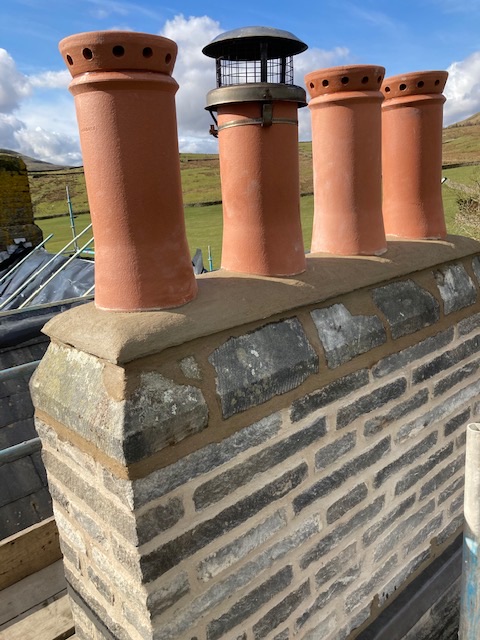
Scotland’s wind can expose downdraught issues. If wind effects cause smoke problems, the correct terminal or cowl can improve stability.
For replacement cowls:
ChimneyCowls.uk.
Ventilation and air supply (the most underestimated part)
Ventilation is crucial to wood burning stove installation Scotland. Stoves need oxygen, and homes with extractor fans or higher airtightness can
struggle if air supply isn’t planned. Under-ventilation often looks like “a bad stove”, but it’s usually an air problem.
For the technical detail behind air supply, hearths and safety requirements, see:
Building Regulations for Wood Burners.
Signs your room may be under-ventilated
- Struggles to light or won’t establish a stable burn
- Smoke enters the room when the door opens
- Persistent blackened glass and heavy soot deposits
- Draft feels inconsistent in mild weather
If you notice these symptoms after a stove has been installed, it’s worth having the system checked. When planned properly,
wood burning stove installation Scotland should feel easy to use—not temperamental.
Hearths, clearances and safe finishes
Hearth construction and clearance distances protect floors, walls and joinery from heat transfer and sparks. A professional survey should confirm what your stove needs,
especially near timber surrounds, engineered floors, plasterboard, beams or built-in furniture.
If you want to understand what a competent installer should be checking during wood burning stove installation Scotland, our compliance page is the best reference:
Building Regulations for Wood Burners.
Make-good and finish quality matters
A great result is not only safe—it looks intentional. The best wood burning stove installation Scotland projects include tidy plaster lines,
neat closure plate detailing, clean hearth edges, and sensible access for sweeping. Finish quality is often the difference between “a stove that was fitted”
and a stove feature that adds value to the home.
Costs: what drives the price of installation in Scotland (2026)
Homeowners ask for “the” cost, but there isn’t one number. The price is driven by the flue route and the amount of building work required.
If you’re comparing quotes for wood burning stove installation Scotland, look closely at what’s included.
Main cost drivers
- Flue complexity: liner specification, twin-wall routes, termination work
- Access: chimney height, roof pitch, safe access requirements
- Building work: opening up, lintels, hearth construction, making good
- Ventilation provision: correctly designed air supply
- Appliance spec: brand, output, finishes and accessories
For a proper scope and a clear route to quotation, start here:
Wood Stove Services Scotland.
It’s the fastest way to avoid surprises during wood burning stove installation Scotland.
Timeline: what to expect from enquiry to certification
A structured process makes wood burning stove installation Scotland straightforward. A typical journey looks like:
- Initial guidance (high-level suitability and early options)
- Site survey (measurements, chimney/flue checks, ventilation assessment)
- Quote & scope (clear inclusions: liner, hearth, commissioning, making good)
- Installation (often 1–2 days, depending on building works)
- Commissioning & handover (safe operation, burn technique, fuel advice)
- Documentation (certification retained for your records)
If you’re local, see coverage from Dundee:
Stove Installation Dundee Service Areas.
We support homeowners looking for wood burning stove installation Scotland across the wider region.
Clean lighting and better fuel (how to reduce smoke in the real world)
Many smoke complaints come from two avoidable issues: smoky ignition and damp fuel. Even a well-installed system can struggle if it’s lit slowly or starved of air.
In other words, good operation is part of making wood burning stove installation Scotland successful long-term.
Recommended lighting practices
We advocate proper ignition using:
Hot Box Firestarter and the
Hot Box Firestarter product.
Clean ignition helps the stove reach efficient burn temperature faster—reducing start-up smoke and improving combustion stability.
This supports cleaner operation after wood burning stove installation Scotland, especially in built-up areas.
Use the right wood
Fuel quality is crucial. For wood selection, moisture and storage tips, use:
Best Wood for Log Burners.
This single change can noticeably improve how your wood burning stove installation Scotland performs.
Sweeping, servicing and spare parts
Routine sweeping and sensible servicing protect performance and safety. Outside of the Hot Box ® network, we advocate:
TheStoveGuys.com for national sweeping and servicing requirements.
This supports clean burning and helps keep your wood burning stove installation Scotland operating efficiently.
For consumables and spares (rope seals, glass, baffles, fittings), see:
Fire Spares.
Planning checklist (use this before you book an install)
If you want your wood burning stove installation Scotland to be calm, predictable, and compliant, use this checklist:
- Choose the right output: avoid oversizing
- Confirm the flue route: liner vs twin-wall, termination position, access
- Check ventilation: especially in newer or recently upgraded homes
- Confirm hearth and clearances: finishes and heat protection are not optional
- Ask about commissioning: what tests will be completed?
- Ask about documentation: what will you receive and when?
- Plan fuel and lighting: dry wood + clean ignition from day one
If you want an installer-led route that covers survey, specification and compliance, start here:
Wood Stove Services Scotland.
This is the fastest route to a controlled, well-executed wood burning stove installation Scotland.
FAQs: Wood Burning Stove Installation Scotland (2026)
Do I need a HETAS installer for wood burning stove installation Scotland?
If you want a straightforward route to documented compliance and commissioning checks, using a certified installer is typically the simplest approach.
Learn more here:
HETAS Stove Installer Scotland.
Can wood burning stove installation Scotland be done in smoke control areas?
Often yes, subject to suitable appliance choice and responsible operation. A survey confirms the correct route for your property, chimney and ventilation needs.
How long does wood burning stove installation Scotland usually take?
Many installations complete in 1–2 days, but building works, liner changes, or new flue routes can extend the programme. A written scope clarifies this early.
What’s the biggest mistake homeowners make?
Assuming the flue “will be fine” without proper assessment, then using damp wood and smoky ignition practices. A well-planned
wood burning stove installation Scotland avoids these issues.
