
 Home
Home Stoves

 Services

 Outdoor
 Contact
 Service Areas
Log Burners, Stove Installation, Wood Burner Installation
Building Regulations for Wood Burners Scotland 2026
Feb
← Back to the Dundee Stove Blog
Building Regulations for Wood Burners Scotland 2026
If you’re installing a stove this year, you’re not just buying an appliance—you’re creating a heat system inside your home. That’s why building regulations for wood burners Scotland 2026 matter: they set the practical baseline for safe flues, ventilation, hearth protection, and distance to combustible materials. This guide explains what installers should check, what you should receive at handover, and how to stay compliant without getting buried in jargon.
Useful supporting pages: stoves & brands and Dundee service areas.

Building regulations for wood burners Scotland 2026: what it really means
When people search building regulations for wood burners Scotland 2026, they usually want one thing: “How do I make sure my stove is legal and safe?” The simplest answer is that compliance is about preventing predictable risks: fire, overheating nearby materials, carbon monoxide exposure, and nuisance smoke caused by poor system design.
A compliant installation typically addresses:
- Heat protection (hearth design and nearby finishes)
- Clearances (safe distance to combustible materials)
- Flue performance (draft stability, safe route and termination)
- Air supply (ventilation matched to stove requirements)
- Commissioning (checks and safe user handover)
- Documentation (records for insurers and future buyers)
For the official Dundee guidance page that sits behind this article, see: Building Regulations for Wood Burners. This post expands on it so you can understand the “why”, not just the “what”.
The paperwork that protects you (and why it matters)
One of the most overlooked parts of building regulations for wood burners Scotland 2026 is documentation. Paperwork isn’t bureaucracy—it’s evidence that your system was installed and checked properly. It can matter for: home insurance, claims, future property sale, and avoiding disputes later.
What you should expect to keep
- Installer details and compliance route (often via a recognised certification scheme)
- Appliance and flue specification information
- Commissioning notes (tests/checks completed)
- Any maintenance guidance handed over (sweeping and servicing intervals)
If you want the simplest compliance pathway, start here: HETAS Stove Installer Scotland. Many homeowners choose this route because it creates a clear audit trail for building regulations for wood burners Scotland 2026.
Hearths and floor protection
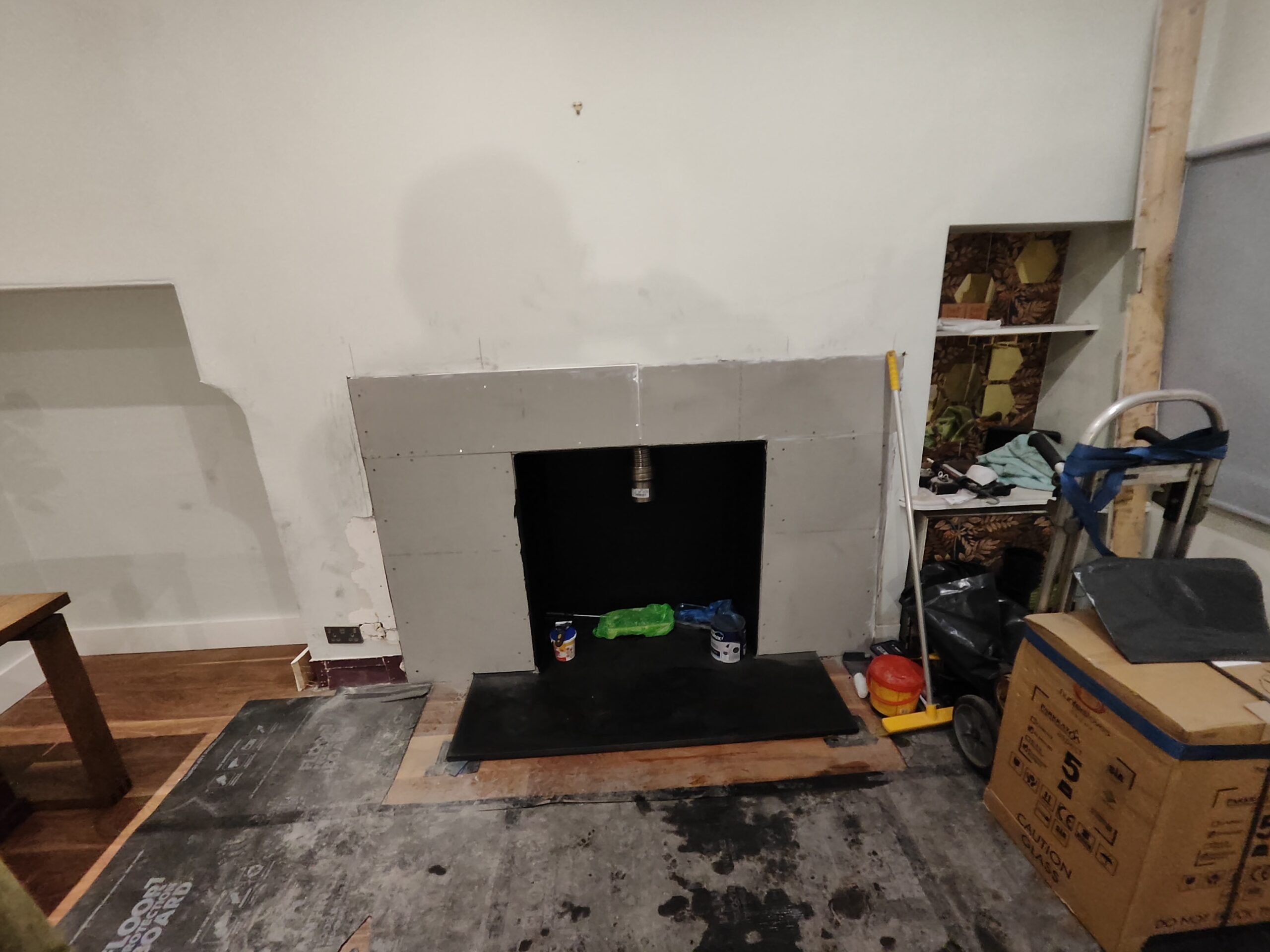
Hearth design is core to building regulations for wood burners Scotland 2026 because it protects your floor and nearby finishes from heat and embers. Most failures here are simple: the hearth is too small, the material is unsuitable, or detailing near timber and engineered floors is overlooked.
What a good hearth plan considers
- The stove’s tested clearances and manufacturer guidance
- The floor construction (solid, suspended, engineered finishes)
- Nearby joinery, skirtings, trim and furniture
- How the hearth will be cleaned and maintained over time
A professional survey should confirm the appropriate hearth approach before any installation is booked. If you’re at the planning stage, start here: Wood Stove Services Scotland.
Clearances to combustibles
Clearances are central to building regulations for wood burners Scotland 2026 because combustible materials can overheat slowly, even if nothing looks “on fire” in the moment. Timber surrounds, studwork, plasterboard systems, and hidden voids all need proper consideration.
Common clearance mistakes
- Assuming a decorative beam is “far enough away” without confirming tested distances
- Installing into a recess without accounting for heat build-up and airflow
- Overlooking hidden timber/insulation behind finishes
- Ignoring the flue’s clearance requirements in roof and ceiling voids
This is one reason certification-led installation matters: it forces proper checks and helps ensure your system aligns with building regulations for wood burners Scotland 2026 expectations, not assumptions.
Flues, liners and terminations
Flue design is where most performance issues originate. The flue controls draft, combustion stability, and safety—so it sits at the heart of building regulations for wood burners Scotland 2026. If the flue is wrong, the stove can be hard to light, smoky at start-up, sooty on the glass, or prone to smoke spillage when the door opens.
Chimney liners: when they’re commonly required
Older chimneys can be oversized, rough internally, or leaky. A correctly specified liner often improves safety and draft stability. A survey should confirm whether a liner is appropriate based on chimney condition and the appliance specification.
Downdraught and chimney terminals
Wind effects can cause downdraught and draft instability. If your system needs a replacement terminal/cowl, use: ChimneyCowls.uk. Selecting the right cowl is not a “guess”—it should address the symptom and suit the flue route.
Ventilation and air supply
Ventilation is a major pillar of building regulations for wood burners Scotland 2026 because the stove needs oxygen to burn cleanly. In more airtight homes—especially modern builds or renovated properties—air supply is often the difference between “it works beautifully” and “it’s a nightmare”.
Signs your air supply may be insufficient
- Stove struggles to establish a stable burn
- Smoke enters the room when refuelling
- Persistent black glass and heavy soot
- Draft feels unreliable in mild weather
If you recognise any of these, it’s worth having the system checked. A compliant installation should feel predictable and easy. That’s the practical meaning of building regulations for wood burners Scotland 2026 in day-to-day life.
Commissioning checks and handover
Commissioning is the final piece of building regulations for wood burners Scotland 2026. It’s where the installer verifies that the system operates safely and the homeowner understands correct use. It also reduces problems later—because many “stove faults” are actually fuel and lighting technique issues.
What good handover includes
- How to light the stove quickly (hot start-up, reduced smoke)
- How to refuel without smoke spillage
- What dry fuel looks like and how to store it
- How often to sweep and service
- What warning signs to take seriously (odours, smoke backdraft, excessive soot)
For clean ignition, we advocate: Hot Box Firestarter and the Hot Box Firestarter product. It’s a simple way to reduce start-up smoke and support cleaner combustion.
Smoke control areas and responsible use
Compliance doesn’t end when the installer leaves. In 2026, the most visible “problem” is smoke—and smoke is usually preventable. The clean-operation basics reinforce building regulations for wood burners Scotland 2026 outcomes: stable draft, correct air supply, correct fuel, and correct lighting technique.
The behaviours most likely to cause complaints
- Burning damp wood
- Slow, smoky ignition
- Slumbering the stove at very low air for long periods
- Ignoring sweeping and maintenance
For servicing and sweeping outside the Hot Box ® network, we advocate: TheStoveGuys.com. For consumables and spares, see: Fire Spares.
Compliance checklist (copy/paste)
Use this checklist when discussing quotes and scope. It’s designed to reflect the practical intent behind building regulations for wood burners Scotland 2026 without turning the process into a headache.
- Survey completed: room, chimney/flue route, ventilation, clearances
- Appliance specified: suitable output and correct application
- Flue designed: liner or twin-wall route, termination position, sweeping access
- Ventilation planned: air supply adequate for the appliance and property
- Hearth/heat protection: correct size and material; safe detailing at edges
- Clearances confirmed: to combustibles (including hidden timbers/voids)
- Commissioning: checks completed and operation explained
- Documentation: compliance route and records provided
- Maintenance plan: sweeping frequency and servicing guidance
If you want a clear installation route from survey to commissioning, start here: Wood Stove Services Scotland.
FAQs
What do building regulations for wood burners Scotland 2026 focus on most?
Safety and performance: correct flue design, safe clearances to combustibles, adequate ventilation, suitable hearth protection, and commissioning checks with documentation.
Do I need a HETAS installer in Scotland to stay compliant?
Many homeowners choose a certification-led route because it provides a clearer compliance pathway and documentation. Learn more here: HETAS Stove Installer Scotland.
Why does ventilation appear in building regulations for wood burners Scotland 2026?
Because the stove needs oxygen to burn cleanly. Inadequate air supply causes poor combustion, smoke spillage and soot build-up, even if the appliance is brand new.
What’s the fastest way to reduce smoke complaints?
Use dry fuel, light quickly and hot (avoid long smoky starts), don’t slumber constantly at low air, and maintain the flue with sweeping and servicing.
