
 Home
Home Stoves

 Services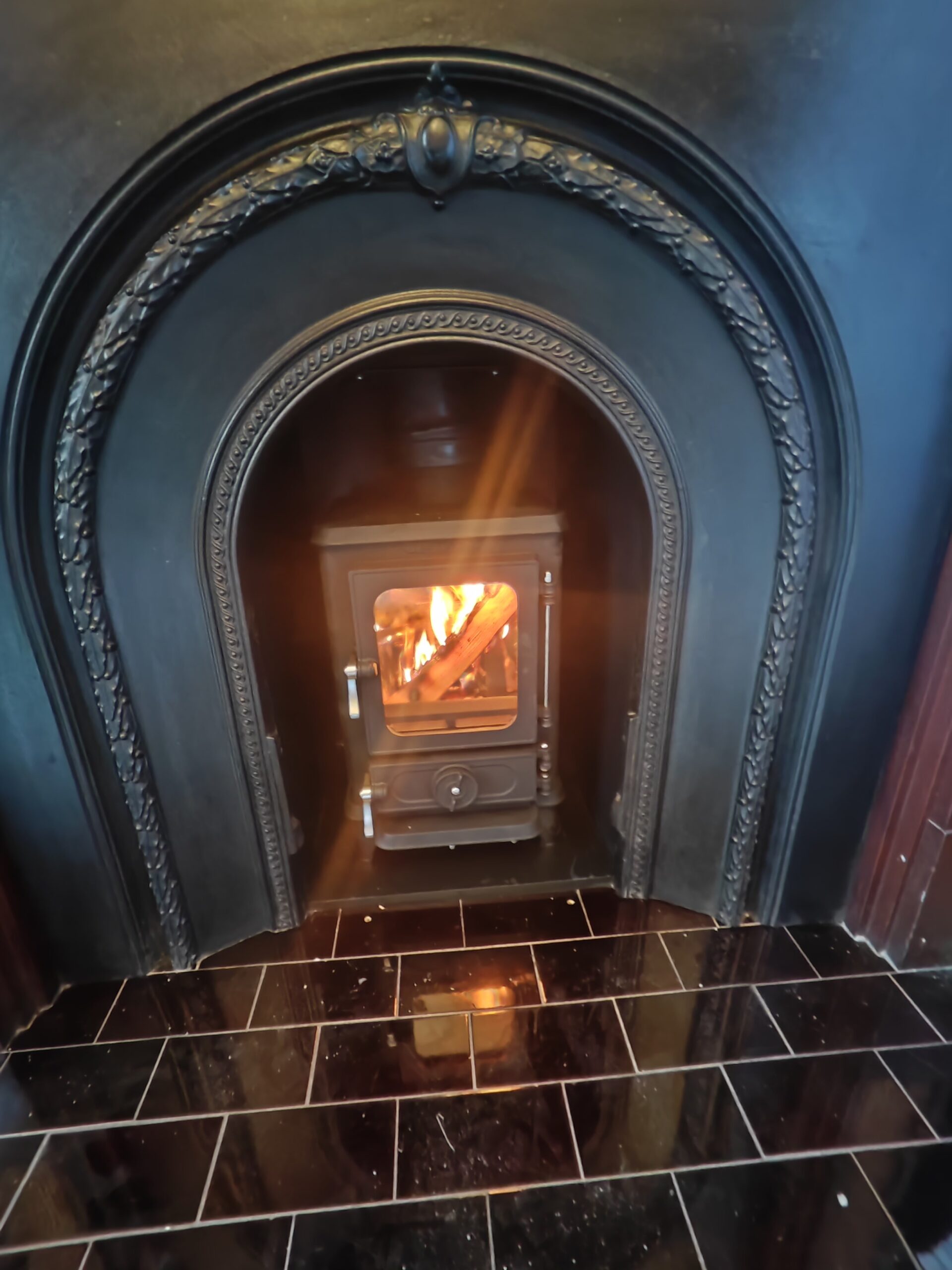

 Outdoor
 Contact
 Service Areas
Log Burners, Stove Installation, Top Tips, Wood Burner Installation
Small Log Burners Scotland: Compact Stove Guide 2025
Sep
Small Log Burners Scotland: Compact Stove Guide 2025
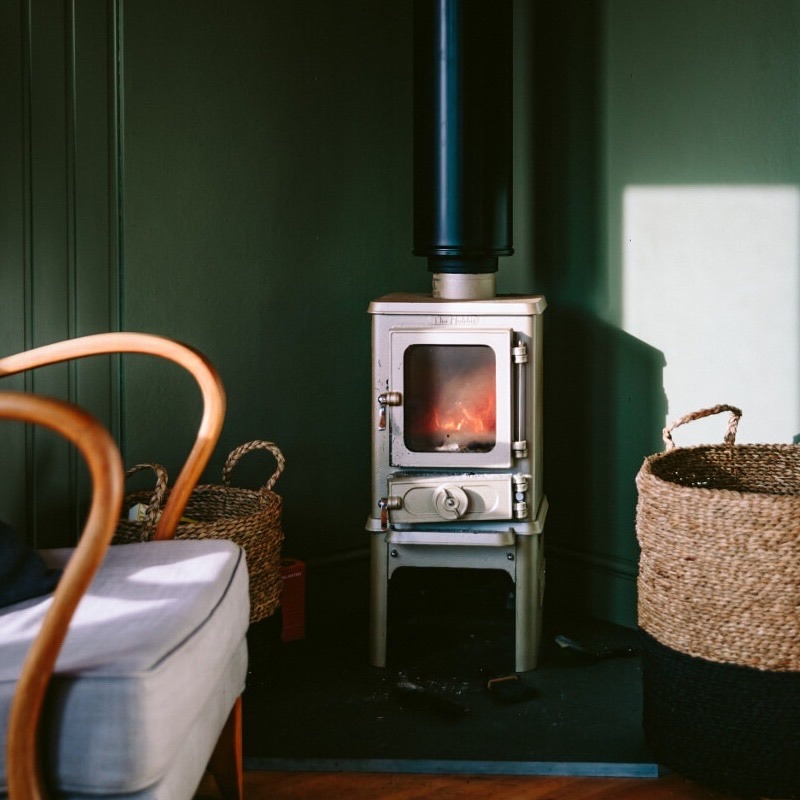
Small log burners Scotland are the go-to choice for cottages, cabins, garden rooms, shepherd huts, and snug urban spaces that need real flame and reliable warmth without overpowering the room. If you’re working with a compact footprint or low ceilings, a mini or small-format appliance can deliver comfort, character and resilience—provided it’s sized, installed and operated correctly. This guide explains how to choose a compact stove, how to plan the flue, what smoke-control rules mean for small spaces, and why Salamander mini stoves have become a popular option for tiny rooms across Scotland.
As you read, you can browse our current stove range, arrange help via wood stove services Scotland, and check your local status at Smoke Control Areas Scotland. For compact and micro-stove lovers, see our Salamander information and buying options here: Salamander Log Burners.
Contents
- Why choose a small log burner?
- What “small” means in practice
- Sizing small log burners Scotland
- Best use cases: cottages, cabins, garden rooms & huts
- Spotlight: Salamander mini stoves (info & buy)
- Flues, liners, terminals and cowls for small stoves
- Smoke-control notes for compact rooms
- Fuel choice, storage and clean ignition
- Installation and compliance checklist
- Operating tips for tiny spaces
- Costs, value and running-cost considerations
- Case studies: cabin, garden office, coastal cottage
- FAQs (+ accordions)
- Take the next step
Why choose a small log burner?
Compact rooms don’t need big heat. The charm of small log burners Scotland is that they deliver a controlled, comfortable output in spaces where larger appliances would be impractical or unpleasant. They warm quickly, become a visual focal point, and add resilience during power cuts—without baking the room. In cottages and cabins, a modest 3–5 kW unit can be the difference between a chilly evening and a cosy retreat.
Small appliances also give you more options for placement: corner installs, alcoves, compact hearths, or wall-hung variants that free up precious floor area. With the right flue route and terminal, you can achieve stable draw and an elegant finish even where the building fabric is quirky or the roofline is complex.
What “small” means in practice
There’s no single definition, but for the purposes of this guide we treat small log burners Scotland as appliances typically in the 3–5 kW range, and “mini” or “micro” stoves as models from ~2–4 kW with compact bodies and shorter log lengths. Manufacturers optimise these stoves for small rooms, tiny homes, shepherd huts, garden offices and annexes where low, steady heat trumps raw output.
Form factors vary: micro box stoves with clean lines for modern huts, classic mini cast-iron for heritage looks, and inset designs that transform redundant fireplaces into efficient heat sources. Many small models include airwash, clean-burn chambers and external air kits—great for glass clarity, emissions and comfort in tight, well-sealed rooms.
Sizing small log burners Scotland
Correct output is everything. Oversizing leads to stifling heat and sooty glass; undersizing leaves you cold. A practical rule of thumb is ~1 kW per 14–20 m³ of room volume, then refine for insulation, airtightness, glazing and ceiling height. For small log burners Scotland, we spend extra time on ventilation and flue details because compact rooms react more quickly to heat changes.
Indicative output guide for compact spaces
| Room volume (m³) | Indicative output | Notes |
|---|---|---|
| 30–55 | 2–3 kW | Huts, micro cabins, tiny home rooms |
| 55–90 | 3–4 kW | Garden offices, small lounges, snug bedrooms |
| 90–120 | 4–5 kW | Typical cottage living spaces with moderate insulation |
We’ll confirm specifics during a survey: measure the space, assess insulation and air-tightness, review window area and ceiling heights, then shortlist appliances that will operate cleanly without cycling hot–cold. Precision matters more with small log burners Scotland because the thermal mass and air volume of the room are modest.
Best use cases: cottages, cabins, garden rooms & huts
Cottages and tenements
In traditional cottages and tenements, compact stoves excel in snug lounges or box rooms. A 3–4 kW unit can transform a chilly space into a year-round retreat. When walls are stone and windows are small, radiant heat feels exceptional; you don’t need a large firebox to stay warm.
Cabins and annexes
Cabins, both off-grid and mains-supplied, are natural homes for small log burners Scotland. Quick warm-up, compact footprints and low running costs make mini stoves ideal. With twin-wall flue routes, you can install safely without a masonry chimney and maintain the look of timber cladding.
Garden rooms and home offices
Garden rooms and studios often have limited floor area and high glazing. A small appliance with an external air kit avoids draughts and keeps the climate comfortable on winter mornings. The flame view also softens the clinical feel some outbuildings can have.
Shepherd huts and micro homes
Micro environments demand micro stoves. Low outputs, short log lengths and carefully designed hearths make hut living practical and charming. Attention to flue height, terminal choice and clearances is crucial in these tiny volumes.
Spotlight: Salamander mini stoves (info & buy)
Among small log burners Scotland, Salamander’s mini stoves have a devoted following thanks to their compact dimensions, tidy proportions and real-world performance in cabins, huts and snug rooms. If you want to deep-dive features, dimensions and model variants, start with our information page: Salamander Log Burners – Info. When you’re ready to proceed, you can use the same page to place an order with confidence: Buy Salamander Log Burners.
Why Salamander? Mini stoves benefit from thoughtful details: efficient airwash for glass clarity at low output, strong seals, and responsive controls that make low-and-slow burns easy to manage. For tiny rooms, these refinements matter more than they do in large lounges.
Flues, liners, terminals and cowls for small stoves
The flue is the engine of the installation, and that’s doubly true for small log burners Scotland. A correctly sized liner or twin-wall system stabilises draw, protects masonry and keeps combustion clean at modest outputs. Where there’s no chimney, a twin-wall route can run internally or externally, depending on aesthetics and space.
Termination height, wind exposure and nearby rooflines all affect performance. Compact buildings and outbuildings are often more exposed; the right cowl can prevent downdraft and weather ingress. If you’re researching options, browse example terminals at ChimneyCowls.uk. We’ll specify the exact components after a property survey.
Smoke-control notes for compact rooms
Compact rooms are common in towns and cities, where smoke-control rules may apply. You can absolutely enjoy small log burners Scotland in smoke-control areas—just choose a DEFRA-approved model and follow fuel rules. If you’re unsure about your address, start here: Smoke Control Areas Scotland. Even outside these zones, many owners prefer DEFRA-approved appliances for cleaner low-burn behaviour and future-proofing.
Fuel choice, storage and clean ignition
Dry fuel is non-negotiable in small spaces. Seasoned or kiln-dried hardwood below 20% moisture content keeps glass clearer, reduces soot and delivers more usable heat. Store logs off the ground with airflow and rotate stock. In tiny rooms, damp fuel is instantly obvious: smoke smell, darkened glass and weak flame.
Ignition is where most visible emissions occur. A fast, repeatable method helps compact stoves stabilise quickly. Many owners of small log burners Scotland use Hot Box ® Firestarter to get to operating temperature with minimal smoke—particularly helpful in dense neighbourhoods and garden-office setups.
Installation and compliance checklist
Professional installation protects performance, safety and insurance. For small log burners Scotland, a typical checklist includes:
- Room volume calculation and heat-output recommendation
- Hearth size, thickness and clearances to combustibles
- Air-supply planning—vital for airtight cabins, huts and garden rooms
- Flue design: liner or twin-wall, firestops, brackets and terminal height
- Commissioning: smoke test, airflow checks, first-light demonstration
- Documentation: appliance details, user guidance and CO alarm placement
Because compact rooms warm quickly, we’ll also discuss user technique—small, frequent refuels and careful air control—so your mini stove runs cleanly from day one.
Operating tips for tiny spaces
Start-up sequence
- Open primary/boost air fully and build a small kindling stack.
- Light cleanly (a reliable firestarter helps), then let flames establish.
- Add modest splits and avoid crowding the glass; reach temperature quickly.
Steady burn
- Once stable, pare back controls gradually—never starve the fire.
- Refuel with small, well-spaced logs every so often; avoid big dumps of cold fuel.
- Watch the flame picture and glass clarity as your real-time feedback loop.
Owners of small log burners Scotland quickly learn that less is more: small additions keep combustion clean and room temperature even, without heat spikes.
Costs, value and running-cost considerations
Total project cost includes the appliance, flue components, hearth works, making-good, terminals/cowls, CO alarms and documentation. Small appliances and short flue runs can reduce spend, but outbuildings may require extra brackets or taller terminations for stable draw. Over time, good technique and dry fuel keep maintenance predictable—cleaner glass, less soot, happier neighbours.
In value terms, small log burners Scotland offer an outsized impact on liveability: they turn seldom-used rooms into everyday spaces and extend the season for garden offices and studios. For tiny homes and huts, they’re often the only practical route to real, resilient heat.
Case studies: cabin, garden office, coastal cottage
1) Off-grid cabin in Perthshire: A micro 3 kW stove with an internal twin-wall flue warms a 12 m² living space quickly. With Hot Box ® Firestarter, start-ups are clean and repeatable. The owner refuels with two small splits every 30–45 minutes for evening comfort and keeps glass clear all week.
2) Garden office in Dundee: A small DEFRA-approved stove paired with an external air kit eliminates draughts. Morning light-ups are fast, the office reaches temperature by the first call, and a modest refuel at lunch keeps the space warm until close of play.
3) Coastal cottage in Fife: A compact 4 kW unit with a carefully chosen terminal mitigates gusty downdrafts between rooflines. The family enjoys steady heat without overheating the snug; clean operation keeps neighbours happy on calm evenings.
FAQs (+ accordions)
+ What size counts as a “small” log burner?
Typically 3–5 kW for small rooms, with mini or micro stoves down to ~2–4 kW. The right choice depends on room volume and insulation. We size small log burners Scotland carefully so they run clean and comfortable.
+ Are small log burners allowed in smoke-control areas?
Yes—choose a DEFRA-approved model and use dry wood under 20% moisture. If you’re unsure about your area, start here: Smoke Control Areas Scotland.
+ Do micro stoves heat fast enough?
In tiny rooms and well-insulated cabins, absolutely. Smaller fireboxes warm quickly and avoid overheating. With disciplined refuelling, small log burners Scotland keep a steady, comfortable climate.
+ What flue do I need in a hut or garden room?
Usually a twin-wall system. Route and height depend on structure and exposure. The right cowl helps with wind; see examples at ChimneyCowls.uk. We’ll specify during your survey.
+ Are Salamander stoves suitable for tiny spaces?
Yes—Salamander mini stoves are designed for compact rooms, huts and cabins. Explore features and sizes here: Salamander Log Burners – Info & Buy.
+ How do I keep emissions low in a small room?
Use dry hardwood, light fast to temperature, and refuel with small, well-spaced splits. Many owners use Hot Box ® Firestarter to reduce start-up smoke.
+ How often should I service and sweep?
At least annually; twice for heavy users. Service includes sweeping, seal checks, baffle/brick inspection and air-control function. Book via wood stove services Scotland.
Take the next step
Ready to compare small log burners Scotland, plan a compact install, or choose a Salamander mini stove? Use the buttons below to explore models, book a survey, confirm smoke-control status, or purchase clean-lighting supplies.
Browse Small & Mini Stoves Book Stove Services Check Smoke-Control Areas Salamander Info & Buy
Cleaner ignition reduces emissions
Most visible emissions happen during ignition—especially in tiny rooms. A consistent, fast light-up routine helps glass stay clear and neighbours stay happy.
