
 Home
Home Stoves

 Services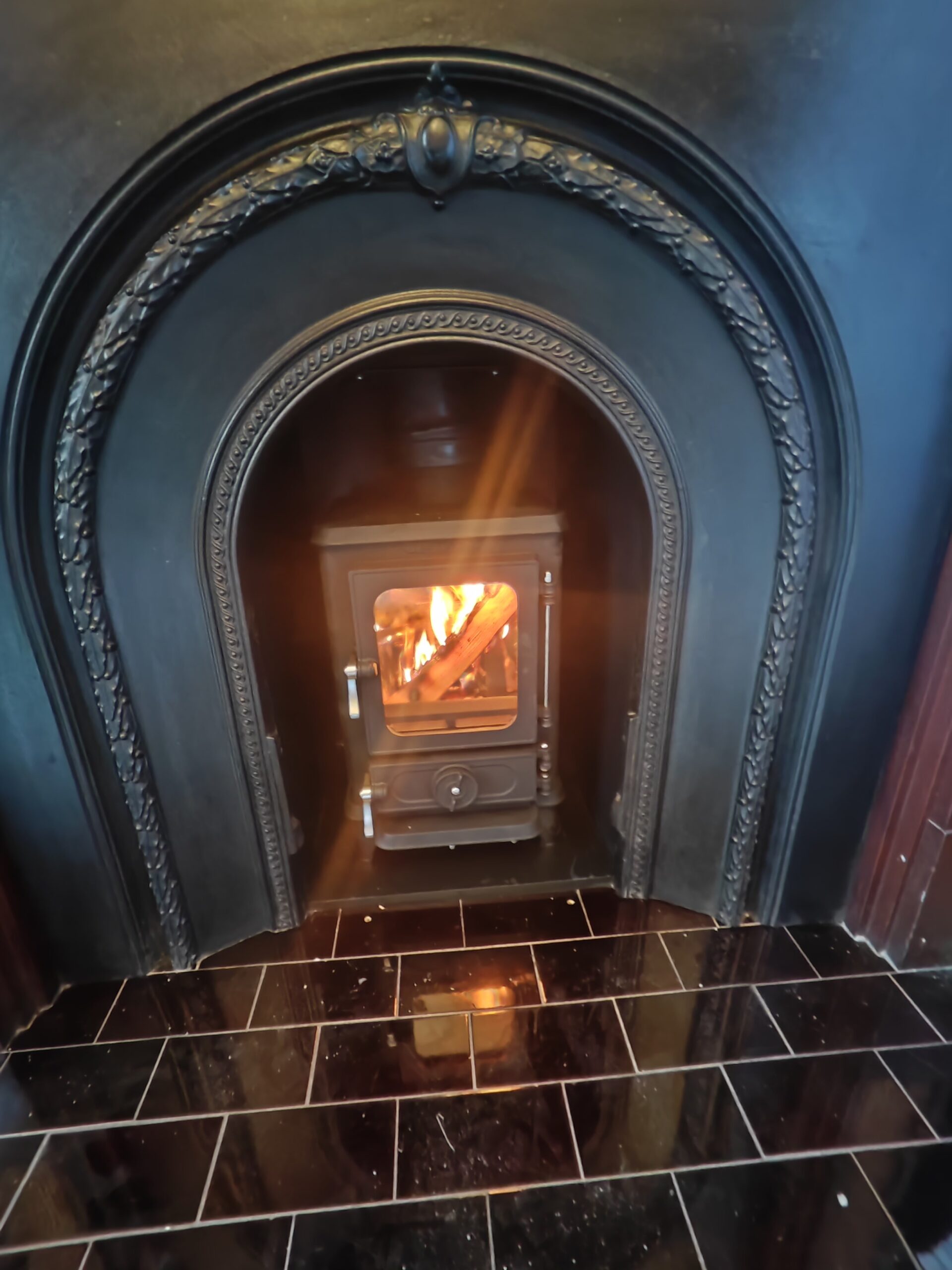

 Outdoor
 Contact
 Service Areas
Log Burners, Stove Installation, Top Tips, Wood Burner Installation
DEFRA Approved Stoves Scotland: 2025 Guide
Sep
DEFRA Approved Stoves Scotland: 2025 Guide
DEFRA approved stoves Scotland are designed to burn cleanly in smoke-control areas while still giving you the look, warmth and resilience people love about log burners. If you live in a Scottish city, town or designated zone, choosing a compliant appliance is essential for comfort, safety and peace of mind. This guide explains what “DEFRA approved” really means, how to choose and install the right model, the fuel rules that apply, how to operate cleanly day-to-day, and how to keep running costs under control.
In 2025, many homeowners search for DEFRA approved stoves Scotland because they want stable, low-smoke heating that satisfies local rules, reduces neighbour complaints, and protects resale value. Energy prices, tighter building standards and the growth of smoke-control zones make compliant appliances a practical, future-proof choice for both urban and rural properties across the country.
As you read, you can browse our current stove range, book professional help via wood stove services Scotland, and check your local status here: Smoke Control Areas Scotland.
Contents
- What “DEFRA approved” actually means
- Do you live in a smoke-control area?
- Choosing the right appliance
- Flues, liners and terminals for clean combustion
- Fuel rules in smoke-control areas
- Installation and compliance checklist
- Operating cleanly in a smoke-control area
- Costs, value and total ownership
- Case studies: urban flat & rural village
- Future-proofing and policy outlook
- FAQs (+ accordions)
- Take the next step
What “DEFRA approved” actually means
In simple terms, a DEFRA-approved (often called DEFRA-exempt) stove has been tested to burn wood cleanly enough to be used in smoke-control areas without producing visible smoke under normal operation. These appliances limit how far you can close the primary air supply at low burn and use refined combustion pathways so the flame stays clean even when the fire is ticking over. That’s why many households in cities and towns choose DEFRA approved stoves Scotland instead of generic models.
It’s common to confuse “Ecodesign-ready” with DEFRA approval. Ecodesign sets minimum efficiency and emissions standards for appliances sold in the UK, but that label alone doesn’t automatically permit wood-burning in a smoke-control area. A model can be both Ecodesign-ready and DEFRA-approved, but you should verify the specific status when you’re comparing options. Our team is happy to confirm the certification for any appliance on our stoves page.
Do you live in a smoke-control area?
Smoke-control areas (SCAs) typically include dense urban neighbourhoods but can also appear in towns and villages with local air-quality priorities. If you live inside an SCA, you can use a wood-burning appliance only if it is DEFRA-approved and you follow the fuel rules. If you’re not sure whether your street is covered, start here: Smoke Control Areas Scotland. That page explains the concept and helps you take the next steps to confirm your status.
Even if you are outside an SCA, many households still choose DEFRA approved stoves Scotland for the extra margin of clean combustion, easier day-to-day control, and the confidence that comes with future-proofing against potential policy changes.
Choosing the right appliance
Begin with heat-output sizing. A simple rule of thumb is around 1 kW of heat per 14–20 m³ of room volume, then adjust for insulation, airtightness, glazing and ceiling height. Oversized units overheat rooms and burn dirtier at low settings; undersized units leave you cold. For DEFRA approved stoves Scotland, our survey process shortlists models that fit your room size and lifestyle, ensuring clean performance without waste.
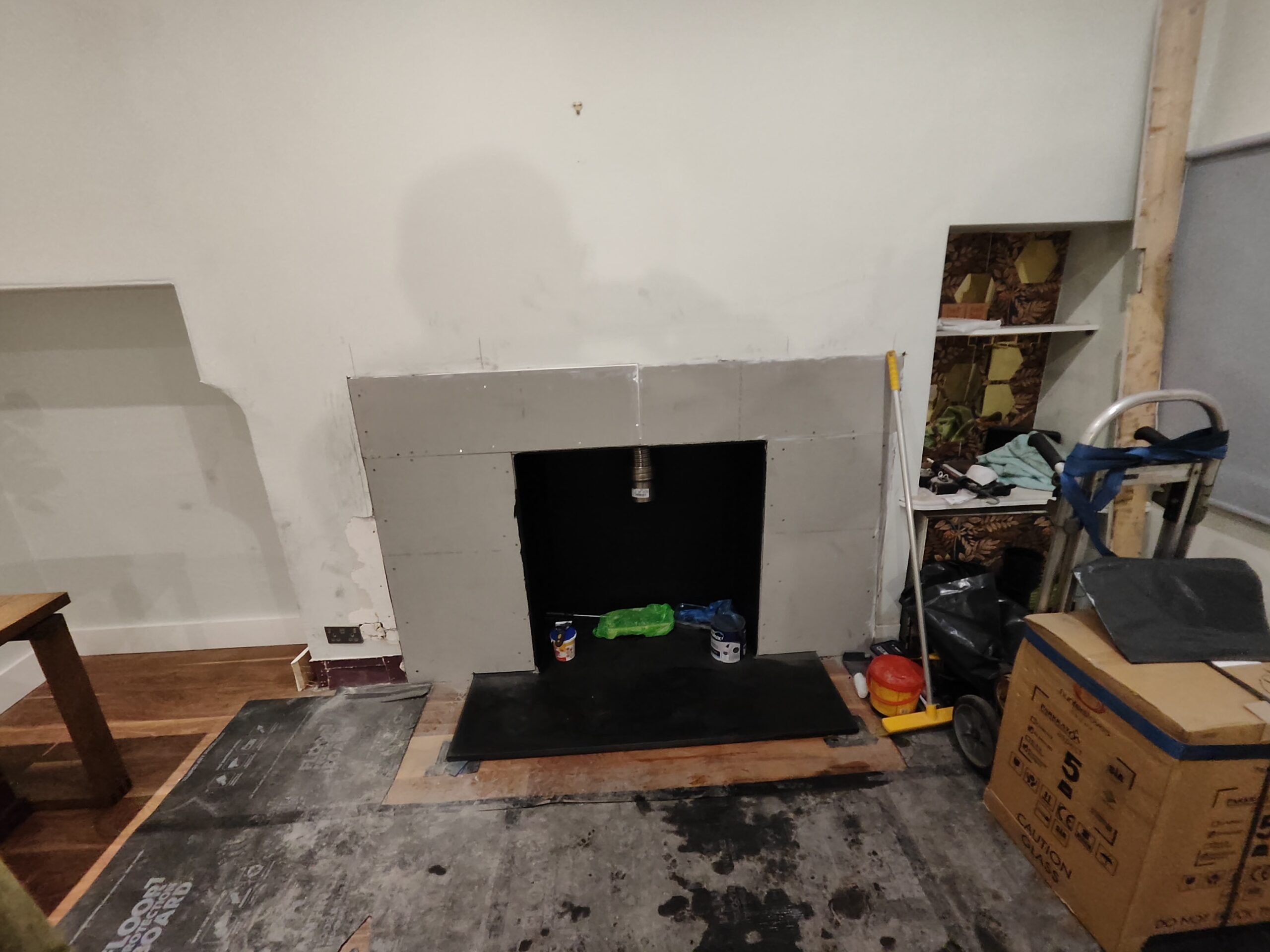
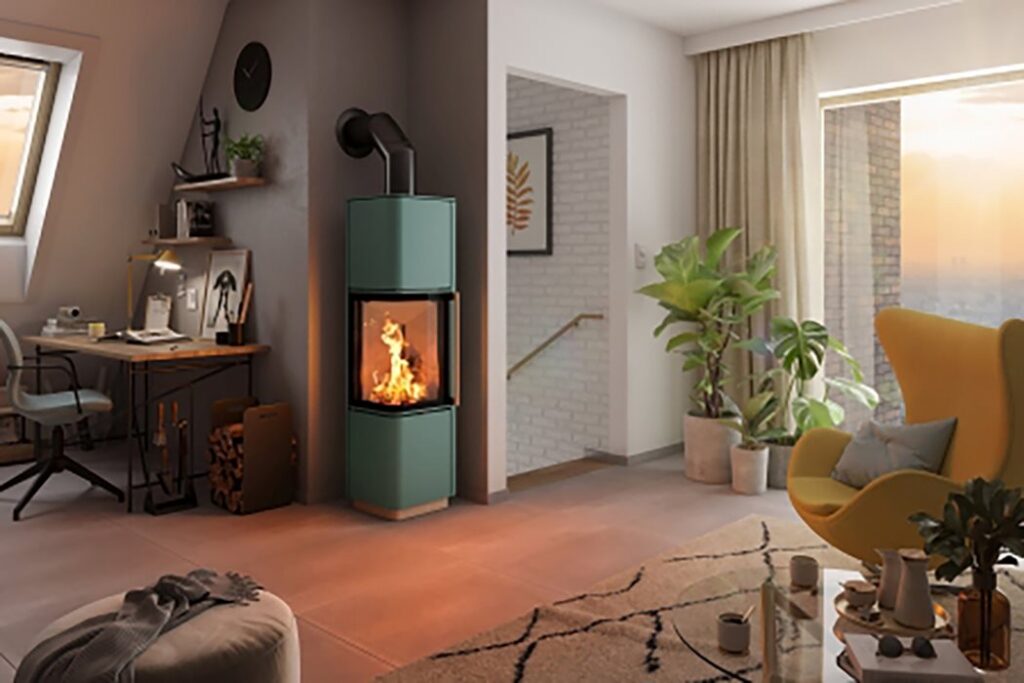
Next, consider features that improve operation in smoke-control areas: airwash to keep the glass clear, refined secondary/tertiary air for clean burn at low output, and external air kits for airtight homes and new-builds. Aesthetics matter too—steel cylinders suit contemporary spaces, while cast-iron classics complement period properties. You’ll also choose between freestanding and inset designs; in SCAs, an inset stove with a well-sealed chamber can be a tidy solution for tenements or terraces with existing fireplaces.
Many modern options classed as DEFRA approved stoves Scotland also add practical features like integrated log stores, rotating fireboxes for open-plan rooms, and wall-hung variants that keep floors clear. You can browse examples on our stoves page, then book a survey on wood stove services Scotland to confirm the details for your home.
Flues, liners and terminals for clean combustion
The flue system is the engine of any stove. In older homes with masonry stacks, a stainless liner matched to the appliance diameter improves draw and protects brickwork. Where there is no chimney, a twin-wall system provides a safe internal or external route. In exposed or coastal sites, termination height and cowl selection are especially important: the right terminal stabilises draw, reduces downdraft and limits weather ingress. If you want to explore cowl options ahead of a survey, a good reference is ChimneyCowls.uk; we’ll confirm the exact specification during design and installation.
Because nuisance smoke is closely watched in SCAs, flue design must be right first time. That’s another reason many households prefer DEFRA approved stoves Scotland: the appliance internals are designed to sustain clean flames across a wider range of conditions, provided the fuel and flue are correct.
Fuel rules in smoke-control areas
Fuel choice is as important as appliance choice. For wood, stick to seasoned or kiln-dried logs with a moisture content under 20%. Wet wood smoulders, increases particulate emissions and quickly blackens the glass. If you use a multi-fuel stove, only burn authorised smokeless fuels in SCAs—avoid ordinary house coal. Store logs off the ground with airflow, rotate stock, and use a moisture meter to verify content. Consistent, dry fuel lets DEFRA approved stoves Scotland perform as intended.
Clean ignition matters, too. Lighting quickly to operating temperature reduces start-up smoke—the period when most visible emissions occur. A dependable, low-smoke method many customers use is Hot Box ® Firestarter, which helps you achieve repeatable, clean starts. This is part of why DEFRA approved stoves Scotland often outperform older appliances in everyday use: the combination of dry fuel and disciplined ignition reduces smoke, soot and odour from the outset.
Installation and compliance checklist
Professional installation protects performance, safety, warranty and insurance. In Scotland, work must satisfy Building Regulations and manufacturer instructions. A typical checklist for DEFRA approved stoves Scotland includes:
- Room volume review and output recommendation
- Hearth specification and clearances to combustibles
- Air-supply planning (especially for airtight properties)
- Flue route design: liner or twin-wall components, firestops and terminals
- Commissioning: smoke test, airflow checks, first-light demonstration
- Documentation: appliance details, safety guidance and CO alarm placement
Cutting corners here can lead to nuisance smoke, poor draw, or warranty issues. Our wood stove services Scotland page explains how surveys, installation and handover work in practice.
Operating cleanly in a smoke-control area
Clean day-to-day operation is a combination of technique and fuel discipline. Open primary air for start-up, use small splits, and get the firebox to temperature quickly. Once flames are bright and stable, pare back the controls—but never starve a DEFRA stove of air; it is designed to keep a minimum flow for clean combustion. Refuel with fewer, well-spaced logs. If the flame dulls and the glass hazes rapidly, your fuel may be damp or your flue may be cool—both are correctable.
Quick diagnostics for SCAs: look for a lively flame picture, glass that stays clearer for longer, and a chimney plume that is faint and brief after start-up. If neighbours can smell heavy smoke each evening, something is off—fuel, technique or flue configuration. Book a check via our services page. With practice, owners of DEFRA approved stoves Scotland find that clean operation becomes second nature and leads to lower fuel use over the season.
Costs, value and total ownership
Total cost includes the appliance, flue components, labour, hearth works, any chamber making-good, terminals/cowls, CO alarms and documentation. Urban SCA installs occasionally need additional access or termination details to handle wind patterns and nearby rooflines. Over the long run, disciplined operation and dry fuel reduce soot, keep glass clearer and extend liner life—small habits that pay back year after year.
When you compare models on our stoves page, remember that the cheapest option is rarely the best value if it runs dirtier and needs more frequent maintenance. The best DEFRA approved stoves Scotland combine clean combustion with easy daily use, clear viewing windows and straightforward servicing.
Case studies: urban flat & rural village
Urban SCA flat (Dundee/Edinburgh): A compact inset stove replaced an open fireplace in a tenement. The survey confirmed a 4–5 kW output for a mid-floor living room. A stainless liner matched to the appliance diameter was installed, with a terminal chosen to reduce downdraft between close rooflines. The result was warm, even heat, clearer glass, and a barely noticeable plume after lighting—exactly what neighbours in smoke-control areas want to see.
Rural cottage (non-SCA): Despite being outside a smoke-control area, the owners chose a DEFRA model for cleaner low-burn behaviour. With kiln-dried hardwoods and tidy air-control habits, the stove delivers efficient evening heat without sooting the glass. If future SCA boundaries expand, the cottage is already compliant. Stories like these show why DEFRA approved stoves Scotland are popular beyond city limits, and why many families pick them for everyday practicality as much as regulation.
Future-proofing and policy outlook
Policy direction across the UK continues to emphasise cleaner combustion and better air quality, particularly in denser neighbourhoods. Ecodesign standards set a baseline, but many households prefer the additional assurance of DEFRA approval. Choosing from the broad field of DEFRA approved stoves Scotland today helps protect resale value and avoids headaches if local rules tighten. As always, clean fuel and good technique remain the biggest wins for emissions and running costs.
FAQs (+ accordions)
+ What’s the difference between Ecodesign-ready and DEFRA approved?
Ecodesign is a broad efficiency and emissions standard for stoves sold in the UK. DEFRA approval (often called DEFRA-exemption) specifically permits clean wood-burning in smoke-control areas. A stove can be Ecodesign-ready without being DEFRA approved; many are both. If you live in an SCA, focus your search on DEFRA approved stoves Scotland and verify the model’s status before buying.
+ Can I burn wood in a smoke-control area?
Yes—if you use a DEFRA-approved stove and dry wood (under 20% moisture). Poor fuel or incorrect operation can still cause smoke, so learn a clean lighting routine and refuel in modest, well-spaced loads for best results with DEFRA approved stoves Scotland.
+ How do I check if my street is in a smoke-control area?
Start here: Smoke Control Areas Scotland. That page explains SCAs and how to confirm your address details. If you’re inside a zone, choose DEFRA approved stoves Scotland and follow the fuel rules.
+ Do I need a DEFRA stove if I’m outside an SCA?
No, but it’s often a smart choice. DEFRA models maintain cleaner combustion at low burn, which many homeowners prefer for evening comfort. They also provide a degree of future-proofing if boundaries change, so DEFRA approved stoves Scotland are a safe long-term bet.
+ Will I need a new flue or cowl?
Possibly. In many retrofits we install a stainless liner sized to the appliance. Where no chimney exists, a twin-wall system provides a safe route. In windy or coastal sites the right cowl can stabilise draw—see examples at ChimneyCowls.uk. We’ll specify details during your survey.
+ What fuels are allowed in SCAs?
Dry wood under 20% moisture in a DEFRA-approved stove. For multi-fuel appliances, use authorised smokeless fuels. Avoid wet wood and ordinary house coal. Store logs properly and check moisture with a simple meter to keep DEFRA approved stoves Scotland performing cleanly.
+ How often should I sweep or service?
At least once a year for typical use; twice for heavy users. Annual service includes sweeping, door seal checks, baffle/brick inspection, air control function and CO alarm testing. Book via wood stove services Scotland.
+ What invalidates a stove warranty?
Missed servicing, burning wet wood, unapproved fuel, or DIY modifications can jeopardise cover. Keep receipts, follow the manual, and ask us if you’re unsure. Using the correct fuel and lighting well helps DEFRA approved stoves Scotland stay within expected operating parameters.
Take the Next Step
Ready to compare models or plan a compliant installation? Use the buttons below. If you’re still confirming your location status, check the smoke-control guidance first. Booking surveys for DEFRA approved stoves Scotland is the fastest route to clean, compliant heat with a tidy finish.
Browse DEFRA-Ready Stoves Book Stove Services Check Smoke-Control Areas
Reduce emissions at start-up with cleaner lighting
Most visible emissions happen during ignition. A fast, consistent lighting method drastically reduces smoke and helps glass stay clear. Many customers choose this product for repeatable low-smoke starts—especially useful with DEFRA approved stoves Scotland in dense neighbourhoods:
