
 Home
Home Stoves

 Services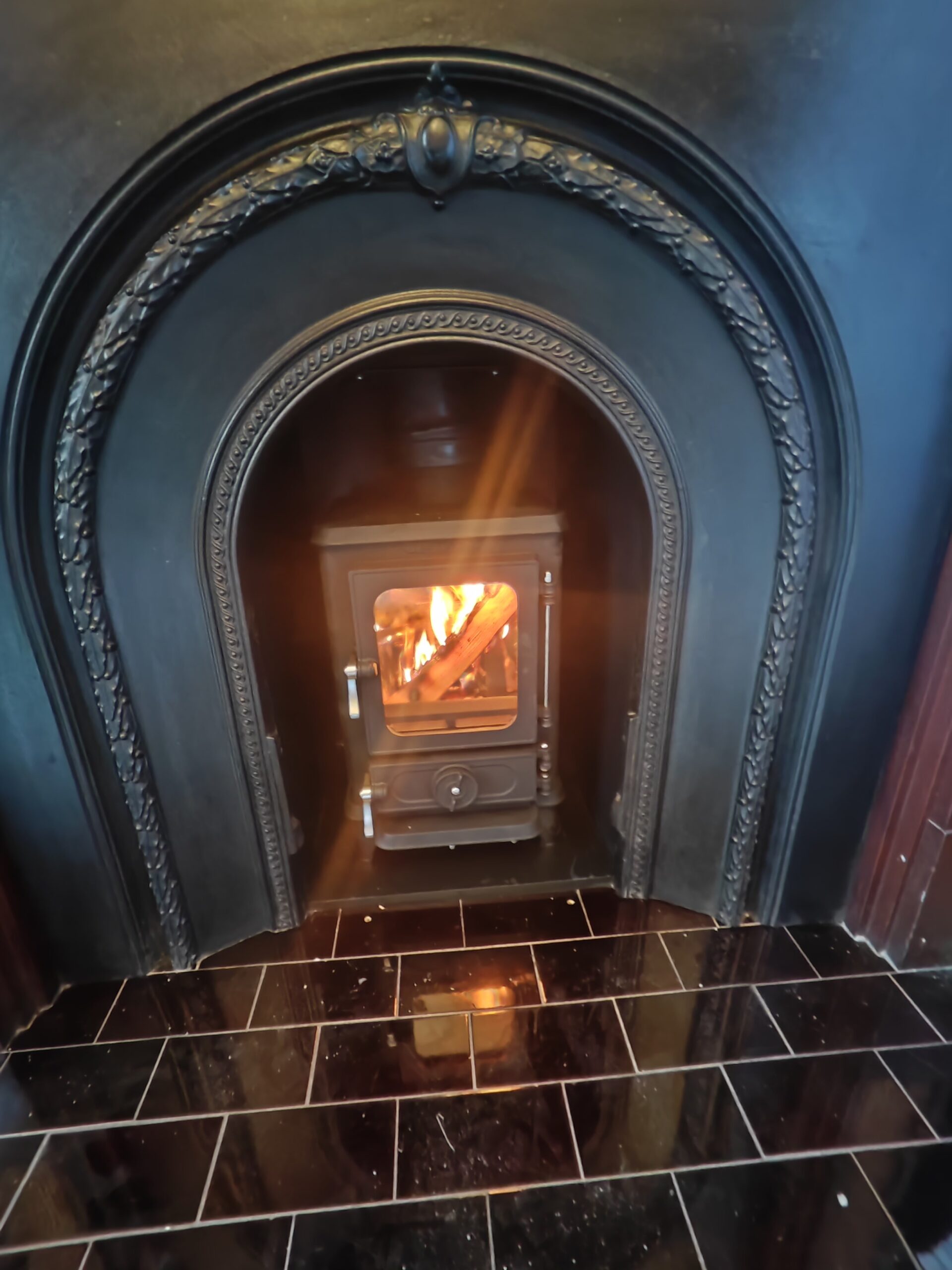

 Outdoor
 Contact
 Service Areas
Log Burners, Stove Installation, Top Tips, Wood Burner Installation
Stove Installers Scotland: How to Choose the Right Team in 2025
Sep
Stove Installers Scotland: How to Choose the Right Team in 2025
Finding reliable stove installers Scotland can feel daunting. You want safe, compliant work, a tidy finish, clear timelines, and a team that stands behind the installation for years. This guide explains exactly what great installers do—from first survey through to commissioning and aftercare—so you can compare quotes confidently and get the result you want.
If you’re still browsing appliances, see our current stove range. When you’re ready to book, head straight to wood stove services Scotland for surveys, installation, sweeping and maintenance.
Contents
- Why professional installers matter
- What stove installers actually do
- The survey: what to expect
- Comparing quotes fairly
- Common exclusions in quotes
- Flue systems, liners and cowls
- Regulations, safety and documentation
- Project timeline and site prep
- Regional demand across Scotland
- Aftercare, servicing and warranties
- Cost drivers and budget planning
- Common mistakes to avoid
- FAQs about stove installers Scotland
- Take the next step
Why professional installers matter
Quality installation is about far more than making a stove look good. The right team ensures proper heat-output sizing, safe clearances, dependable flue draw and correct commissioning, all of which determine how the appliance performs for years. Reputable stove installers Scotland will specify parts that match your property and document everything for insurance and future resale.
Unseen details—liner diameter, terminal height, air supply, and hearth construction—make the difference between a clean, efficient burn and a frustrating, sooty experience. Good installers anticipate issues during the survey, not after the stove is already in place.
What stove installers actually do
Great stove installers Scotland provide an end-to-end service. Expect the following steps:
- Initial consultation: discuss room size, usage pattern and constraints.
- Site survey: measure the space, check the opening, plan air supply and flue route.
- Specification: shortlist suitable appliances (kW output, DEFRA-ready), agree accessories.
- Quote & scope: transparent itemisation so you know what is and isn’t included.
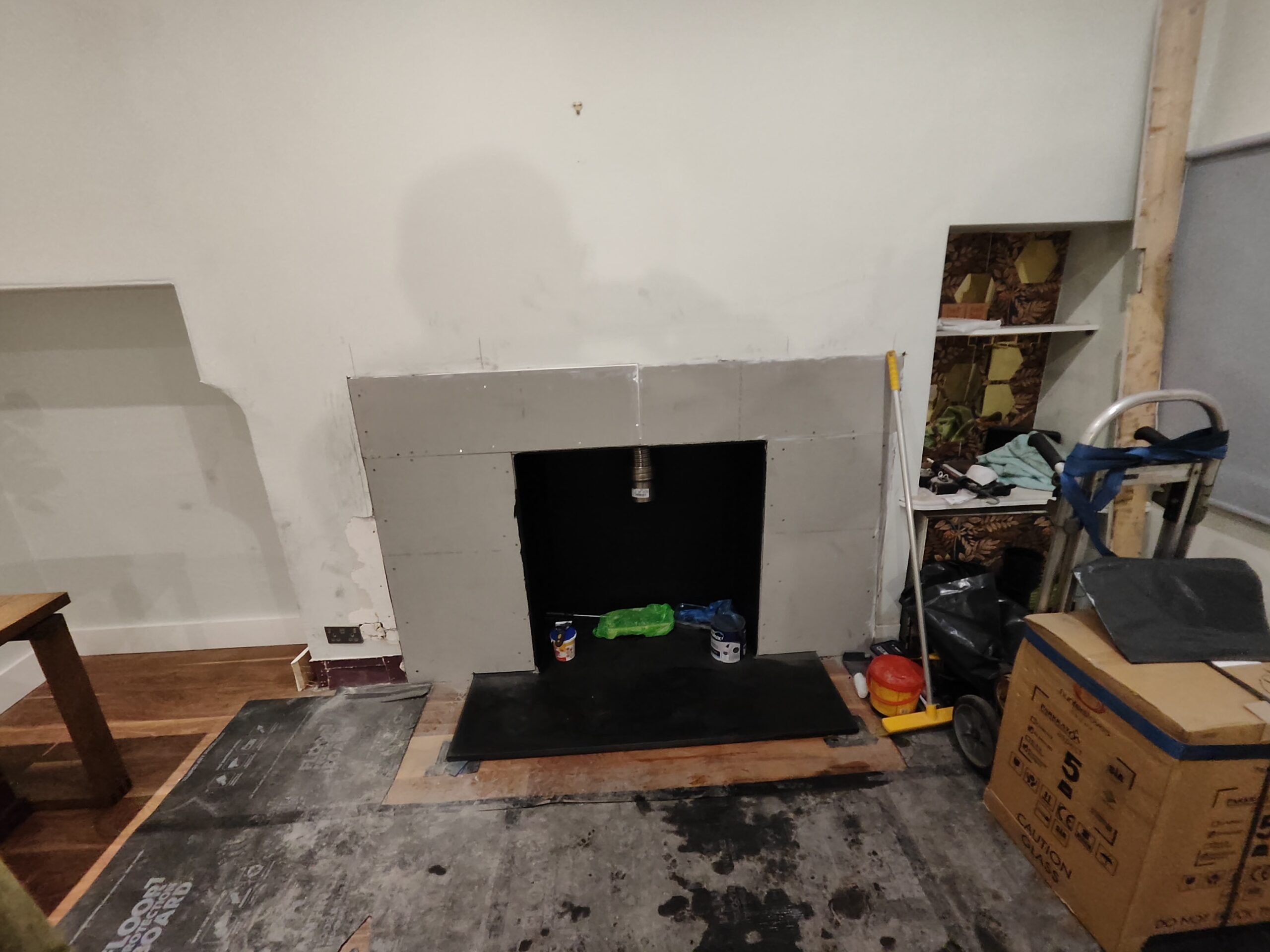
- Installation: hearth works, liner or twin-wall assembly, sealing and connection.
- Commissioning: smoke tests, airflow checks and first-light demonstration.
- Documentation: user handover, safety advice and certificates as required.
- Aftercare: servicing schedule, warranty terms and sweep intervals.
The survey: what to expect
The survey is where skilled stove installers Scotland prevent future problems. They will:
- Confirm room volume and recommend an output range that won’t overheat the space.
- Assess insulation, airtightness and glazing to refine the kW choice.
- Inspect any existing chimney, note dimensions, offsets and likely liner size.
- Plan air supply and ventilation in line with the appliance requirements.
- Map a twin-wall route where no chimney exists—internally or externally as aesthetics demand.
- Check terminal height and advise on cowls to mitigate coastal winds or hilltop downdrafts.
- Specify hearth materials and clearances to combustibles.
A thorough survey shortens install day, avoids last-minute part runs and reduces remedial work later.
Comparing quotes fairly
Quotes can look different even when they cover similar work. To compare stove installers Scotland fairly, align the scope:
- Same appliance class: output range, DEFRA-ready status and features.
- Same flue spec: liner grade/diameter or twin-wall brand and section lengths.
- Same finishing: hearth type, trims, plastering or making good.
- Same extras: CO alarms, register plates, firestops, terminals and cowls.
- Same aftercare: first-year service, callout policy and warranty handling.
Ask for itemised line items. If one quote is significantly cheaper, it may use lighter-duty components, omit making-good or skip commissioning time. That’s risky for performance and safety.
Common exclusions in quotes
Even detailed quotes from stove installers Scotland may exclude certain elements. Clarify these early so budgets remain accurate:
- Scaffolding or access towers: required for high chimney work or complex rooflines.
- Structural alterations: enlarging an opening, inserting lintels, or rebuilding a damaged stack.
- Electrical work: additional sockets or relocating a CO alarm outside the installer’s remit.
- Decorating & making-good: plaster skim, repainting, or flooring repairs around the hearth.
- Waste removal beyond normal: asbestos, contaminated debris or large volumes of rubble.
- Unforeseen remedials: hidden flue defects discovered during the install.
Explicitly noting exclusions keeps expectations clear and prevents delays once work begins.
Flue systems, liners and cowls
The flue is the engine of the system. In properties with an existing masonry chimney, a stainless liner—sized to the appliance—improves draw, protects the stack and supports clean combustion. Where there is no chimney, a twin-wall system allows a safe route through floors and roof or along an outside wall.
In exposed locations, correct termination height and the right cowl reduce downdraft and weather ingress. For research and component options, homeowners often consult ChimneyCowls.uk before final specification with their installer.
Regulations, safety and documentation
Competent stove installers Scotland work to current regulations covering hearth construction, clearances to combustibles, ventilation, flue design and carbon monoxide alarms. Expect a documented handover that includes appliance details, safety guidance and servicing recommendations. Proper paperwork keeps insurers and future buyers confident.
Project timeline and site prep
Typical sequence for stove installers Scotland projects:
- Survey & spec: measure, plan and agree the scope.
- Quote & booking: confirm dates and access requirements.
- Hearth & opening prep: create or upgrade hearth; tidy the chamber if required.
- Flue works: install liner or twin-wall, fix brackets, terminals and cowls.
- Stove install: connection, sealing and finishing.
- Commissioning: testing, first-light and user training.
- Handover: documentation and aftercare plan.
Good teams arrive with all parts agreed, keep dust control tight and leave the space clean.
Regional demand across Scotland
Demand for stove installers Scotland varies by region, and those differences influence specification. In coastal areas (Fife, Angus, Moray and the North East), stronger winds and salt exposure make terminal choice and bracketry more critical; taller terminations with the right cowl profile can stabilise draw and limit weather ingress. In the Highlands and rural Perthshire, properties often have higher ceilings or larger open-plan rooms, nudging output choices upward and making twin-wall routing a priority where no masonry stack exists.
Urban centres such as Dundee, Edinburgh and Glasgow include smoke-control zones; DEFRA-ready appliances and good fuel discipline are the norm. In tenements and townhouses, installers must consider shared chimneys, access constraints and careful making-good to protect period features. Across new-builds throughout Scotland, tighter airtightness standards mean external air kits are commonly specified to ensure stable combustion without draughts.
Local familiarity matters. A team that regularly works in your area will already understand typical roof pitches, stonework quirks, prevailing winds and planning sensitivities, which leads to faster, cleaner installs.
Aftercare, servicing and warranties
Reliable aftercare separates top stove installers Scotland from the rest. You should receive simple running guidance, sweeping intervals and an annual service reminder. Regular maintenance covers sweeping, rope seal checks, baffle and brick inspection, air-control function and CO alarm testing.
Service intervals: most households book one sweep per year; heavy users or those burning resinous wood may need two. Liner lifespan: stainless liners last many years when fuel is dry and the stove is run hot enough to avoid persistent tar. Warranty pitfalls: missed services, damp fuel or unapproved modifications can invalidate cover—keep receipts and log service dates.
For easier starts, many owners use Hot Box ® Firestarter to light cleanly with less smoke and residue—useful in urban settings and for keeping glass clearer.
Cost drivers and budget planning
Budget is shaped by the appliance you choose, the flue path, access, hearth works and any making-good. Line items often include:
- Appliance and accessories (e.g., external air kit, log store)
- Liner or twin-wall components, terminals and cowls
- Hearth materials and finishing
- Labour for installation, testing and commissioning
- CO alarms and documentation
Clarify whether scaffolding, opening alterations or specialist access equipment are included. A carefully sized appliance plus a well-designed flue typically lowers running costs and reduces soot build-up, saving money over the lifespan of the system.
Common mistakes to avoid
- Choosing on looks only: output and flue design must come first.
- Under-specifying the flue: wrong diameter or short terminal = poor draw and smoke issues.
- Skipping air-supply planning: airtight homes need a suitable solution.
- Accepting vague quotes: insist on itemised scopes from all stove installers Scotland.
- Poor fuel: damp logs sabotage performance; aim for < 20% moisture.
FAQs about stove installers Scotland
+ How do I know an installer is competent?
Look for proven survey detail, clear specifications and itemised quotes. Ask about similar projects, aftercare policy and what documentation you’ll receive at handover. Reviews that mention tidy working and strong communication are a good sign.
+ Do I need an existing chimney?
No. Twin-wall flue systems allow safe internal or external routes where no masonry stack exists. Professional stove installers Scotland will plan the neatest path for your property and confirm clearances.
+ Can I use a stove in a smoke-control area?
Yes—choose a suitable DEFRA-ready appliance and burn appropriate fuel. Experienced installers will recommend compliant options during survey and show you how to operate the stove cleanly.
+ What insurance should an installer carry?
They should have public liability cover and, where applicable, employer’s liability. Ask for proof on request. Documentation and commissioning records should also be supplied at handover for your insurer.
+ Do installers provide fuel advice?
Yes. Expect clear guidance on moisture content (target < 20%), species, log size and storage. The right fuel protects liners, keeps glass clearer and improves efficiency.
+ What causes smoke spillage or poor draw?
Common causes include incorrect terminal height, wind exposure, cool flues or damp fuel. The right cowl and flue design—plus dry logs—usually resolve these issues. For ideas on terminals, see ChimneyCowls.uk.
Take the Next Step
Ready to speak with experienced stove installers Scotland? We handle surveys, installation and long-term care across Dundee, Perth, Angus, Fife and beyond.
