
 Home
 Stoves


 Services

 Outdoor
 Contact Hot Box Stoves Dundee
 Service Areas
Chimney Maintenance, Log Burners, Stove Installation, Wood Burner Installation
Wood Burner Installation Scotland
Nov
Wood Burner Installation Scotland: Costs, Chimneys & What to Expect
Planning a wood burner installation in Scotland? This guide explains the installation process, likely costs, chimney and flue options, fireplace and hearth requirements, ventilation and the key considerations for Scottish homes. Hot Box® Stoves Dundee also provides professional stove installation across Dundee, Angus, Perthshire, Fife and surrounding areas.
What is involved in installing a wood burner in Scotland?
Installing a wood burning stove involves considerably more than placing an appliance into a fireplace. The stove, hearth, combustion air, fireplace, chimney or flue system and terminal need to be considered as one complete installation.
Wood burner installation in Scotland: quick answer
A typical project starts with an assessment of the property and proposed stove position. The correct appliance is then selected and an appropriate chimney liner or insulated twin-wall chimney system specified. The fireplace, hearth, ventilation and clearances are considered before the stove and flue are installed, tested and commissioned.
Homes with an existing masonry chimney may require a suitable flexible flue liner. Properties without a chimney can often accommodate a stove using a factory-made insulated twin-wall chimney system.
Hot Box® Stoves Dundee provides stove installation services throughout our principal operating area of Dundee, Angus, Perthshire and Fife. Projects range from replacement appliances in established fireplaces to complete new installations involving hearth construction, fireplace alterations and new chimney systems.
Whether the property is a traditional stone cottage, Victorian house, modern extension or contemporary new home, the sensible starting point is to understand the building before committing to the final appliance and flue specification.

Installation into an Existing Chimney
Existing masonry chimneys can be assessed to determine the appropriate liner, stove connection, terminal, hearth and fireplace arrangement.
Wood Burner Without a Chimney
Where no traditional chimney exists, an insulated twin-wall chimney system can often provide a purpose-designed flue route.
Replacement Wood Burners
Replacement installations still need to be assessed because appliance dimensions, output, flue diameter and required clearances can differ from the existing stove.
Looking for a wood burner installer in Scotland?
Hot Box® Stoves Dundee provides professional stove installation including existing-chimney installations, flexible flue liners, twin-wall chimney systems, hearths and associated fireplace works.
Wood burner installation from Dundee across eastern Scotland
Hot Box® Dundee is positioned to provide wood burning stove installation throughout Dundee, Angus, Perthshire and north-east Fife, with suitable projects considered across the wider region.

Dundee is our operational base. For more detailed local coverage, visit our stove installation service areas .
How does a wood burner installation work?
The installation should be designed around the property rather than trying to make a predetermined stove fit an unsuitable arrangement. A structured survey and specification reduces uncertainty before work begins.
1. Assess the property and stove position
The proposed stove location, room, fireplace, hearth, existing chimney or potential new flue route, combustible materials, ventilation and practical access are considered.
2. Select an appropriate stove
Heat requirement, room size, building characteristics, appliance dimensions, clearances, flue diameter and intended use all influence stove selection.
3. Specify the chimney or flue
An existing masonry chimney may require a suitable flexible liner. Where no chimney exists, a factory-made insulated twin-wall system can often be designed to suit the property.
4. Prepare the fireplace and hearth
Depending on the installation, works may include opening or altering the fireplace, preparing the stove chamber, installing the hearth and completing associated building interfaces.
5. Install the stove and flue system
The appliance, connecting flue and chimney system are installed to the agreed specification with the required clearances and interfaces.
6. Test, commission and explain operation
Once complete, the installation is checked and commissioned and the customer should understand correct appliance operation, fuel selection and ongoing maintenance.
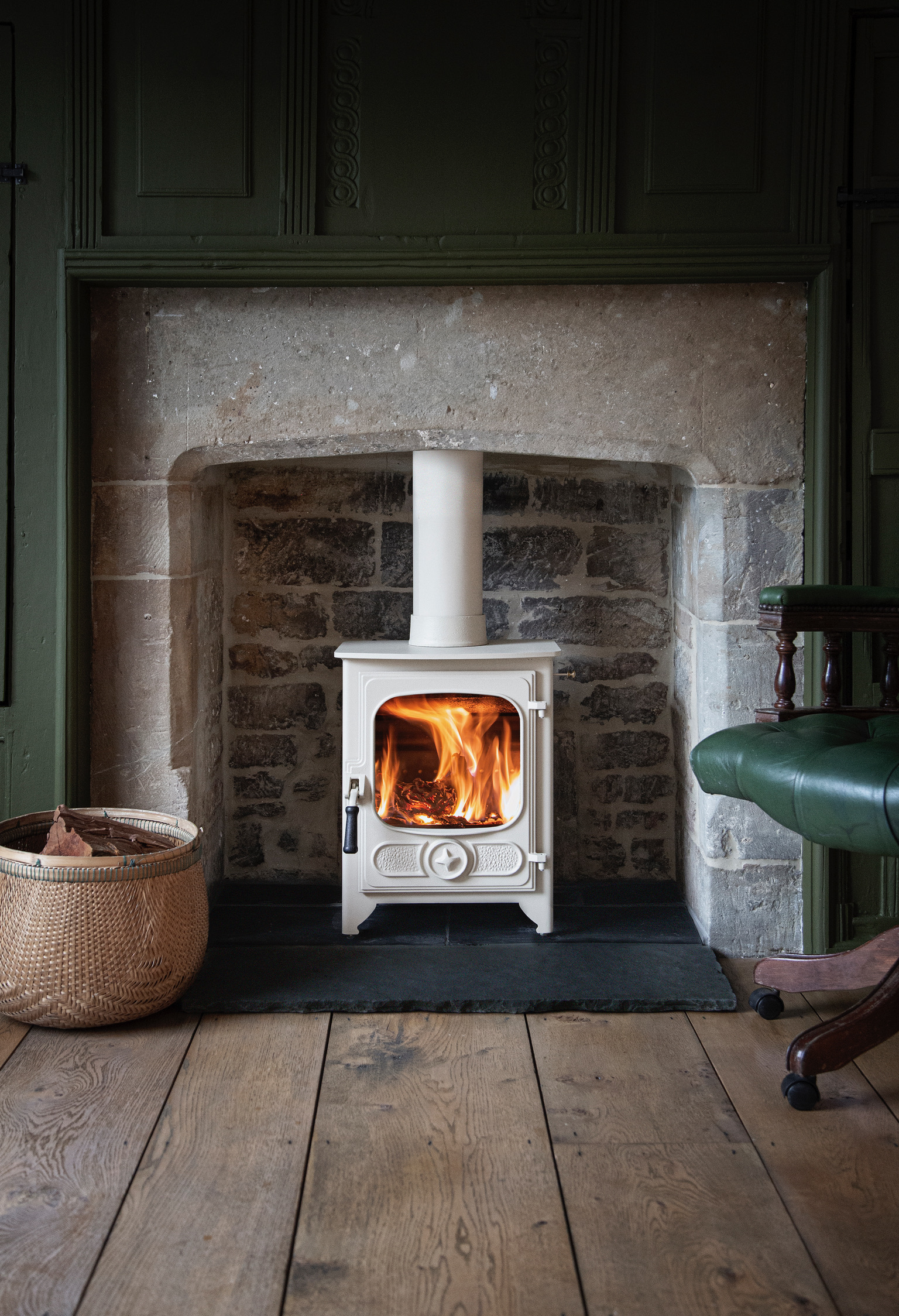
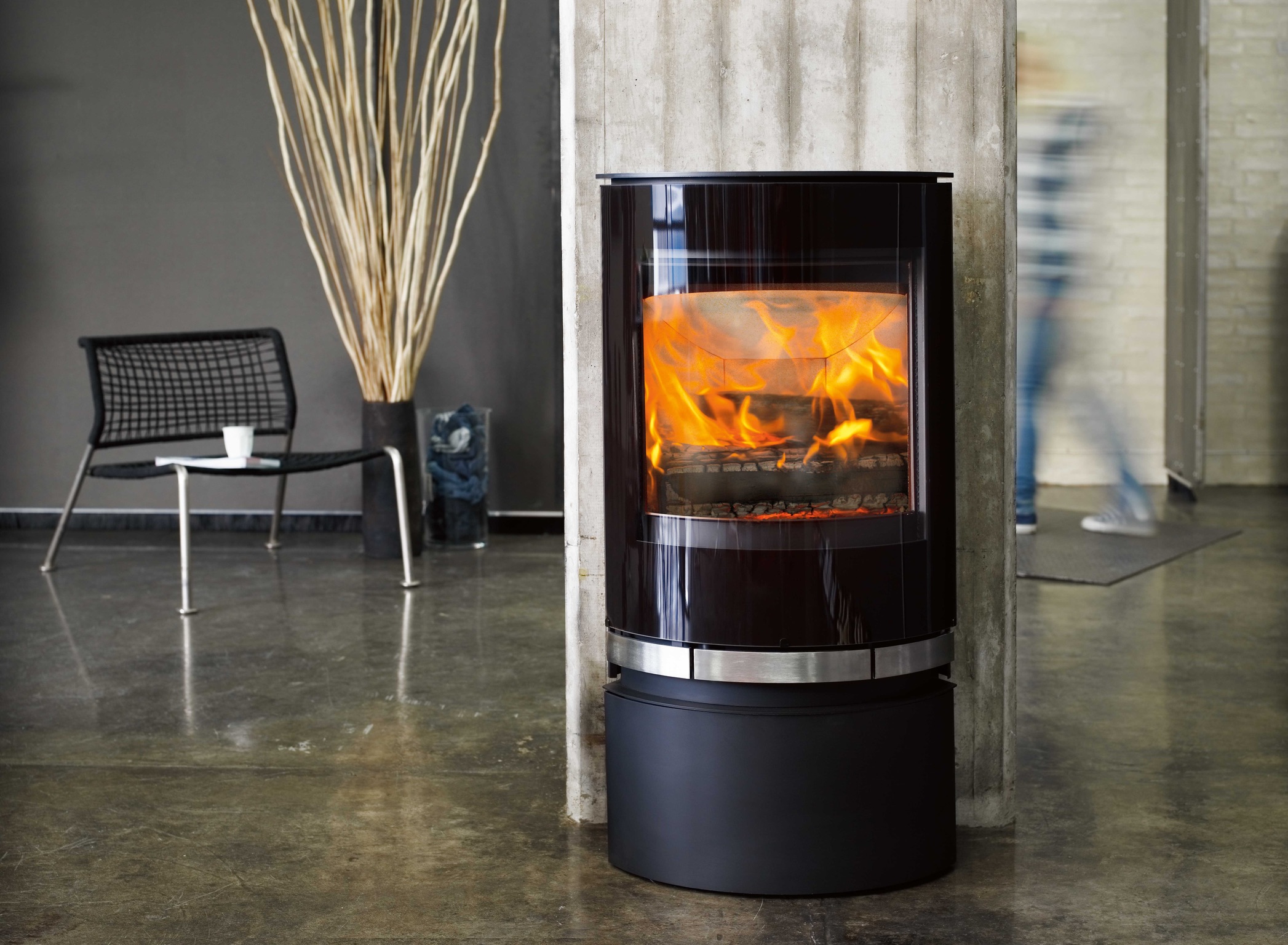
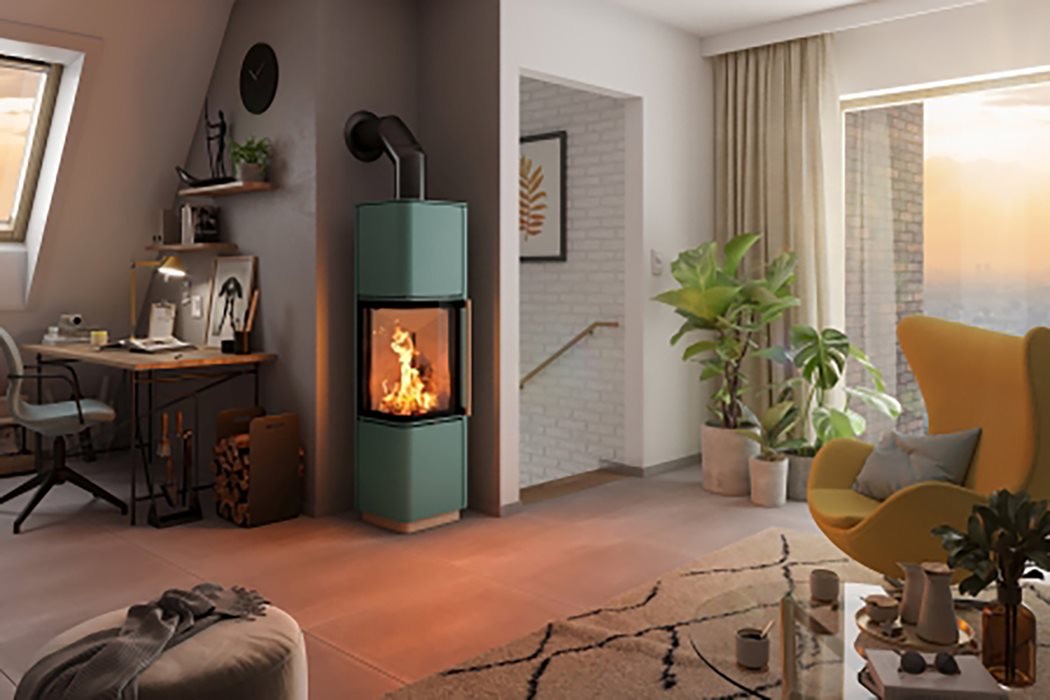

Explore our wood burning stove range before deciding which appliance may suit your property.
Wood burner installation and Scottish Building Standards
Solid-fuel appliance installations in Scotland need to be considered within the Scottish building standards framework. The requirements can affect the stove, hearth, chimney or flue, ventilation, combustible materials and carbon monoxide detection.
Requirements depend upon the property and proposed installation, which is another reason to establish the technical arrangement before ordering the final appliance and flue components.
Chimney & Flue
The chimney or flue system needs to be appropriate for the appliance and fuel and positioned with suitable regard to the building, termination requirements and combustible materials.
Combustion Air
Wood burning appliances require adequate combustion air. Ventilation and, where appropriate, direct-air arrangements should therefore form part of the installation design.
Hearths & Clearances
Hearth construction and separation from combustible materials need to suit the particular stove and fireplace arrangement.
Carbon Monoxide Protection
Appropriate carbon monoxide detection is an important element of a solid-fuel installation.
Modern and highly insulated properties can require particular attention to combustion air. See our guide to combustion air and direct-air stove systems .
Building standards procedures in Scotland differ from those elsewhere in the UK. The requirements for a particular project, including the appropriate approval route, should be established for the proposed work rather than assumed.
Further information on the Scottish building standards system is available from the Scottish Government .
Installing a wood burner into an existing chimney
A masonry chimney is useful, but its presence does not automatically mean that it is ready to receive a modern wood burning stove.
The existing chimney should be considered as part of the installation. Condition, dimensions, height, route, previous use and the selected appliance can all influence the final flue specification.
Where a flexible liner is appropriate, its diameter and specification need to be compatible with the appliance and installation.
- Existing chimney route and condition
- Suitable flexible liner specification
- Appropriate liner diameter
- Stove-to-liner connection
- Closure or register arrangements
- Suitable chimney terminal
- Access to the chimney stack
- Testing and commissioning
Read more about flexible flue liners for wood burning stoves .
Can you install a wood burner without a chimney?
Yes, in many properties a wood burning stove can be installed without an existing masonry chimney by using an insulated factory-made chimney system.
A twin-wall chimney can potentially be routed internally through the building and roof or externally before rising to a suitable termination position.
The best arrangement depends on the proposed stove position, room layout, floors and roof construction, external appearance, clearances and practical access.
This approach can make stove installation possible in extensions, conversions, modern houses and other buildings without a traditional chimney.
Photographs of the proposed stove position, room and exterior of the property can help us understand the likely chimney route at the initial enquiry stage.
Learn more about twin-wall chimney systems .
Fireplace openings, stove chambers and hearths
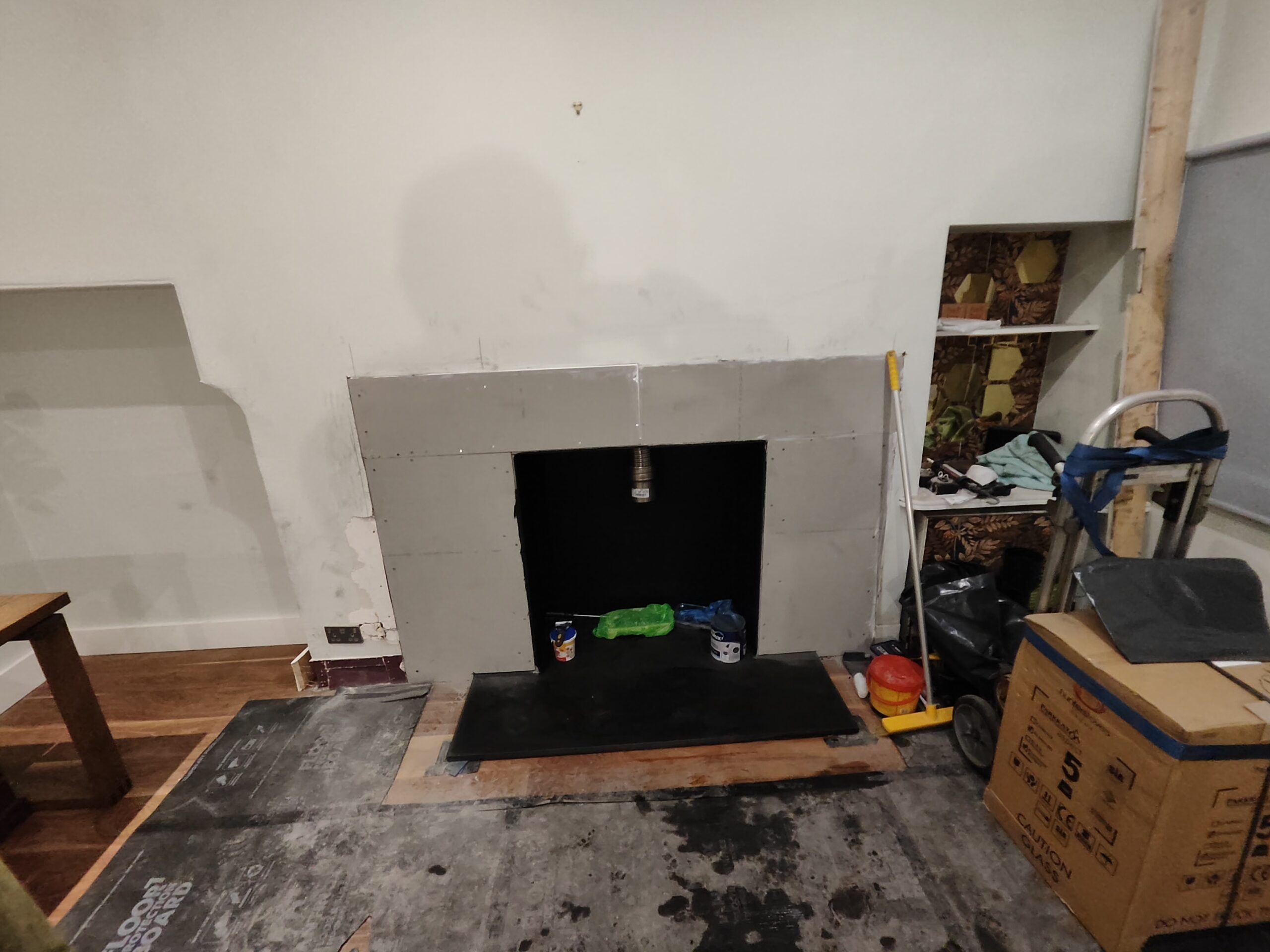
Particularly in older Scottish properties, preparing the fireplace can form a significant part of the overall stove installation.
Existing fireplaces may have been altered, covered over or finished with materials that are unsuitable for the proposed appliance. The opening, chamber and hearth therefore need to be considered alongside the stove and chimney.
- Opening or modifying an existing fireplace
- Removal of unsuitable existing finishes
- Preparation of the stove chamber
- Installation of an appropriate hearth
- Flue and closure arrangements
- Associated making good
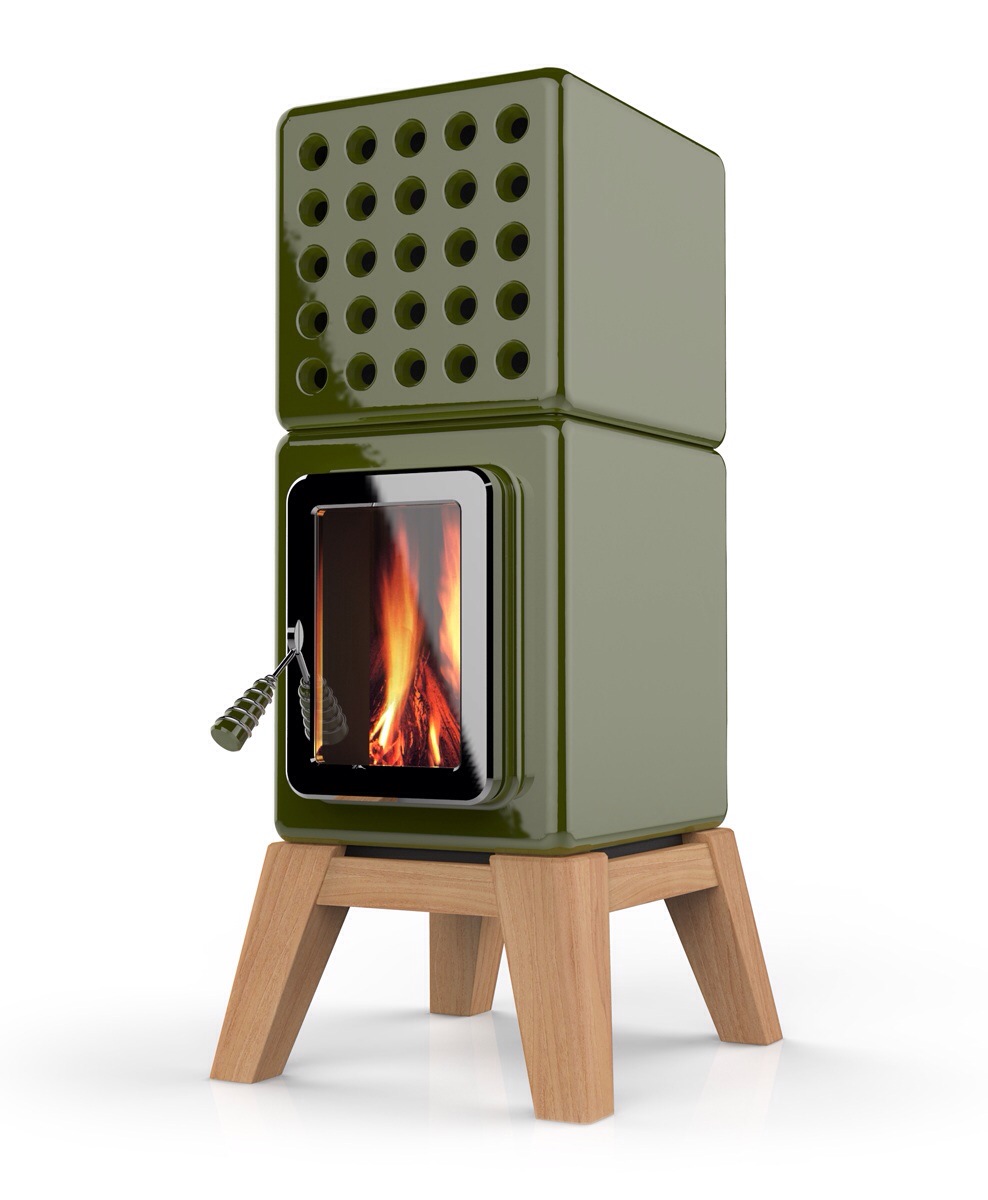
See our fireplace recess and hearth construction service for further information.
What size wood burner do you need?
Bigger is not necessarily better. A stove should be selected around the heating requirement of the room and building rather than simply choosing the largest appliance that fits the fireplace.
Heat Requirement
Room volume matters, but insulation, glazing, air leakage, adjoining spaces and the way the room is used also influence the required output.
Appliance Dimensions
The stove needs to fit the proposed location while maintaining the clearances and installation conditions required for the particular appliance.
How You Use the Room
Occasional evening use, regular winter heating and a large open-plan room can each point towards a different appliance specification.
How much does a wood burner installation cost in Scotland?
The cost of installing a wood burner varies considerably because the appliance is only one part of the project. Chimney condition, flue route, fireplace works, access and the building itself can materially change the final cost.
Indicative appliance range only. Premium, architectural and larger appliances can cost considerably more.
Indicative component allowance depending on diameter, chimney height, specification and required fittings.
Indicative system allowance depending on chimney length, route, supports, offsets, roof interfaces and termination.
These figures are broad guides rather than quotations. Installation labour, hearths, fireplace alterations, chimney repairs, scaffolding, specialist access, roof penetrations, building work and making good may be additional.
A straightforward stove installation using a suitable existing chimney is fundamentally different from a project involving a new fireplace and a twin-wall chimney passing through several levels of a building.
Factors affecting the final installation price include:
- The stove selected
- Existing chimney condition and height
- Flexible chimney liner specification and length
- Twin-wall chimney length and route
- Fireplace opening and chamber works
- Hearth specification
- Combustion-air requirements
- Roof or chimney access
- Scaffolding or specialist access
- Building fabric alterations
- Making good and finishing works
Cheap headline installation prices rarely describe the same scope of work. We prefer to understand the property, specify the stove and chimney arrangement properly and provide a quotation around the installation that is actually required.
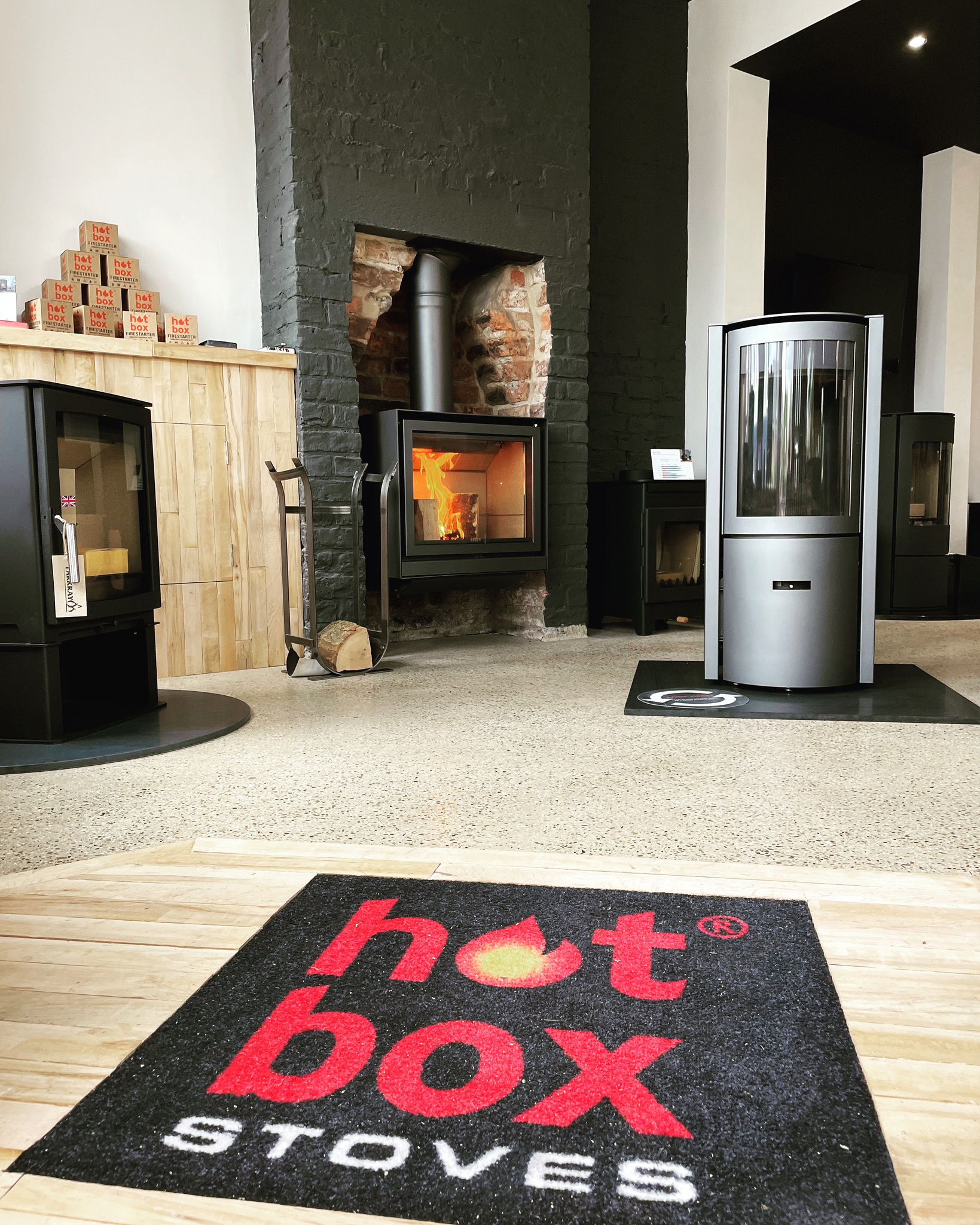
See wood burning stoves at our Dundee showroom
Choosing a stove online can only take you so far. Appliance proportions, door design, viewing area, finish and overall scale are easier to understand when you can see the stove in person.
Explore Selected Stoves
Compare selected traditional, contemporary and premium appliances and discuss which type of stove may suit your room and property.
Discuss the Installation
Bring photographs of the room, fireplace, chimney and exterior and we can discuss the potential installation arrangement before progressing to the detailed specification.
Visit Hot Box® Stoves Dundee
Our Dundee stove showroom is at 1 Heron Rise, Dalclaverhouse, Dundee DD4 9DH. Explore selected wood burning stoves and discuss your proposed installation with our local team.
One route from stove selection to completed installation
The stove should not be treated separately from the fireplace and chimney. Hot Box® Dundee can consider the appliance and the proposed installation together from the outset.
Stove Selection
Compare appliances and consider heat output, dimensions, style, clearances and flue requirements before final selection.
Complete Installation Specification
Stove, hearth, fireplace, combustion air, flue system and termination can be considered as parts of the same project.
Dundee-Based Team
Our Dundee base provides practical access to installations across Dundee, Angus, Perthshire and Fife.
Maintenance & Aftercare
Correct operation, suitable fuel, chimney sweeping and periodic stove maintenance all contribute to long-term performance.
Explore our wood stove installation services
A wood burning stove forms part of a wider system. Explore the individual services involved in specifying, installing and maintaining the complete installation.
Wood burner installation Scotland FAQs
How much does it cost to install a wood burner in Scotland?
Costs vary considerably according to the stove, chimney condition, fireplace, hearth, access and flue arrangement. As broad component guides, many stoves fall around £700–£1,400+, flexible liner systems may represent approximately £500–£900+ and more substantial twin-wall chimney systems can represent approximately £2,000–£3,800+ before considering all labour, building work and access requirements. A property-specific quotation is therefore important.
Can you install a wood burner if I do not have a chimney?
Often, yes. An insulated twin-wall chimney system may provide a suitable flue where there is no masonry chimney. The proposed route, clearances, building interfaces and termination position need to be assessed for the individual property.
Do I need my existing chimney lined?
Not every installation is identical. The existing chimney and proposed appliance should be assessed before an appropriate flue specification is determined.
What size wood burner do I need?
Stove output should be matched to the heating requirement of the room and building. Room volume, insulation, glazing, air leakage, adjoining spaces and intended use should all be considered.
Can you install a stove into an existing fireplace?
Often, yes. However, the fireplace opening, hearth, chimney, combustible materials and required appliance clearances need to be assessed. Some existing fireplaces require alteration before a modern stove can be installed.
Do you install wood burners in Dundee?
Yes. Dundee and the surrounding area form a core part of our installation coverage, including Broughty Ferry, Invergowrie, Monifieth and nearby locations.
Do you cover Perthshire, Angus and Fife?
Yes. Hot Box® Dundee considers installations throughout Angus, Perthshire and north-east Fife, subject to the location and scope of the project.
Do I need approval for a wood burner installation in Scotland?
Scottish building standards procedures apply and the requirements depend upon the nature of the proposed work. The appropriate approval route should therefore be established for the individual installation.
Can Hot Box supply the stove as well as install it?
Yes. Hot Box® Dundee can help with stove selection and the associated installation specification so the appliance, fireplace and chimney or flue arrangement can be considered together.
Can I visit Hot Box before choosing my stove?
Yes. You can visit our Dundee stove showroom at 1 Heron Rise, Dalclaverhouse, Dundee DD4 9DH to explore selected appliances and discuss your proposed installation.
Planning a wood burner installation in Scotland?
Tell Hot Box® Dundee where the property is, whether you have an existing chimney and what you would like to achieve. Photographs of the room, fireplace, chimney stack and exterior are particularly useful and can help us understand the likely installation before progressing to the detailed specification.
