
 Home
Home Stoves

 Services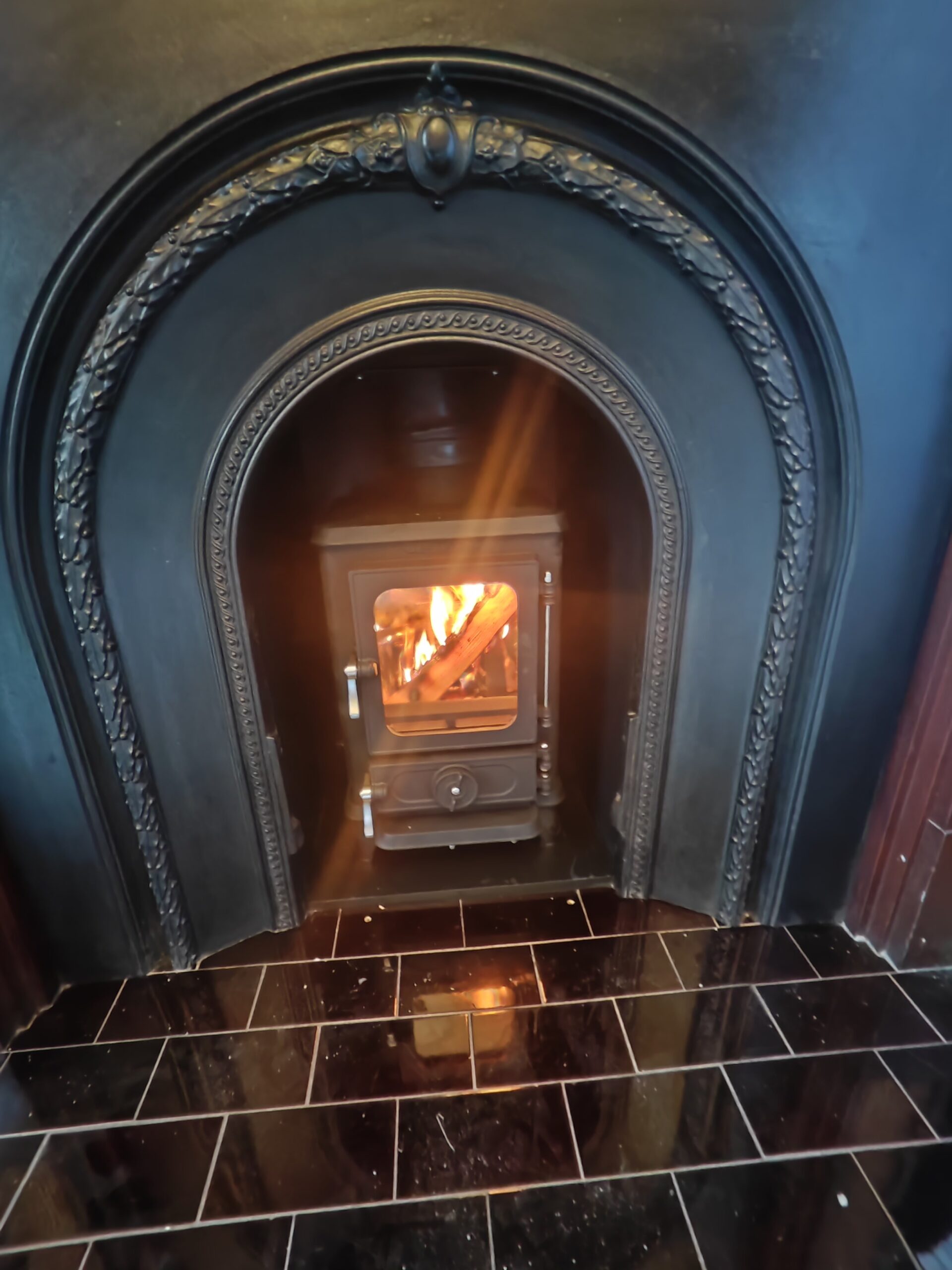

 Outdoor
 Contact
 Service Areas
Wood Burner Installation, Log Burners
Choosing a Wood Burning Stove in Scotland | Hot Box ® Stoves Dundee
Mar
Choosing a Wood Burning Stove in Scotland
Choosing a wood burning stove in Scotland is about much more than appearance. Heat requirement, room size, chimney or flue, fireplace dimensions, clearances and how you intend to use the appliance should all influence the final choice.
How to choose a wood burning stove for your Scottish home
The right stove should suit the building as well as your taste. A compact appliance may be ideal for a smaller room, while a larger open-plan space may require a different approach. The fireplace, chimney, insulation and intended use are just as important as the stove itself.
At Hot Box® Dundee, we recommend considering the complete installation before committing to an appliance. That avoids selecting a stove that is too large, incompatible with the proposed flue arrangement or difficult to accommodate safely within the fireplace.
Start with heat requirement — not the largest stove you can fit
Oversizing is one of the most common mistakes when choosing a wood burning stove.
A stove that produces considerably more heat than the room requires can make the space uncomfortable and may encourage the appliance to be run poorly. Equally, an undersized stove may struggle to provide the level of comfort expected.
Useful factors to consider include:
- Room volume rather than floor area alone
- Wall, floor and roof insulation
- Amount and type of glazing
- Air leakage and draughts
- Open-plan connections to adjoining spaces
- Whether the stove is occasional or regular winter heating
These can be useful as a starting point, but the actual building fabric and how the room is used matter.
Choose a stove style that suits the room
Once the technical requirements are understood, the design choice becomes much easier.


Traditional
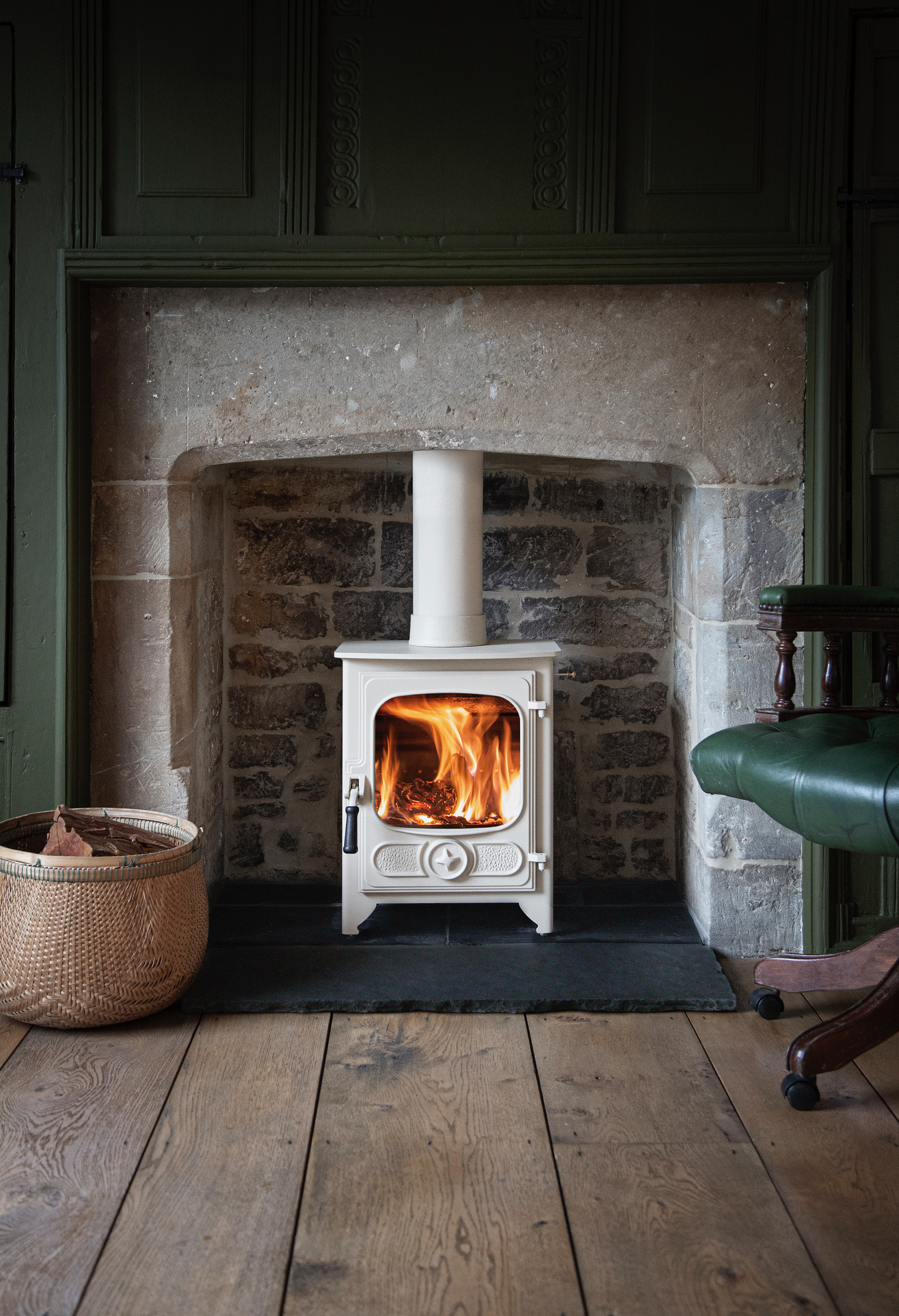
Classic forms can work particularly well in stone cottages, period homes and established fireplaces.
Contemporary
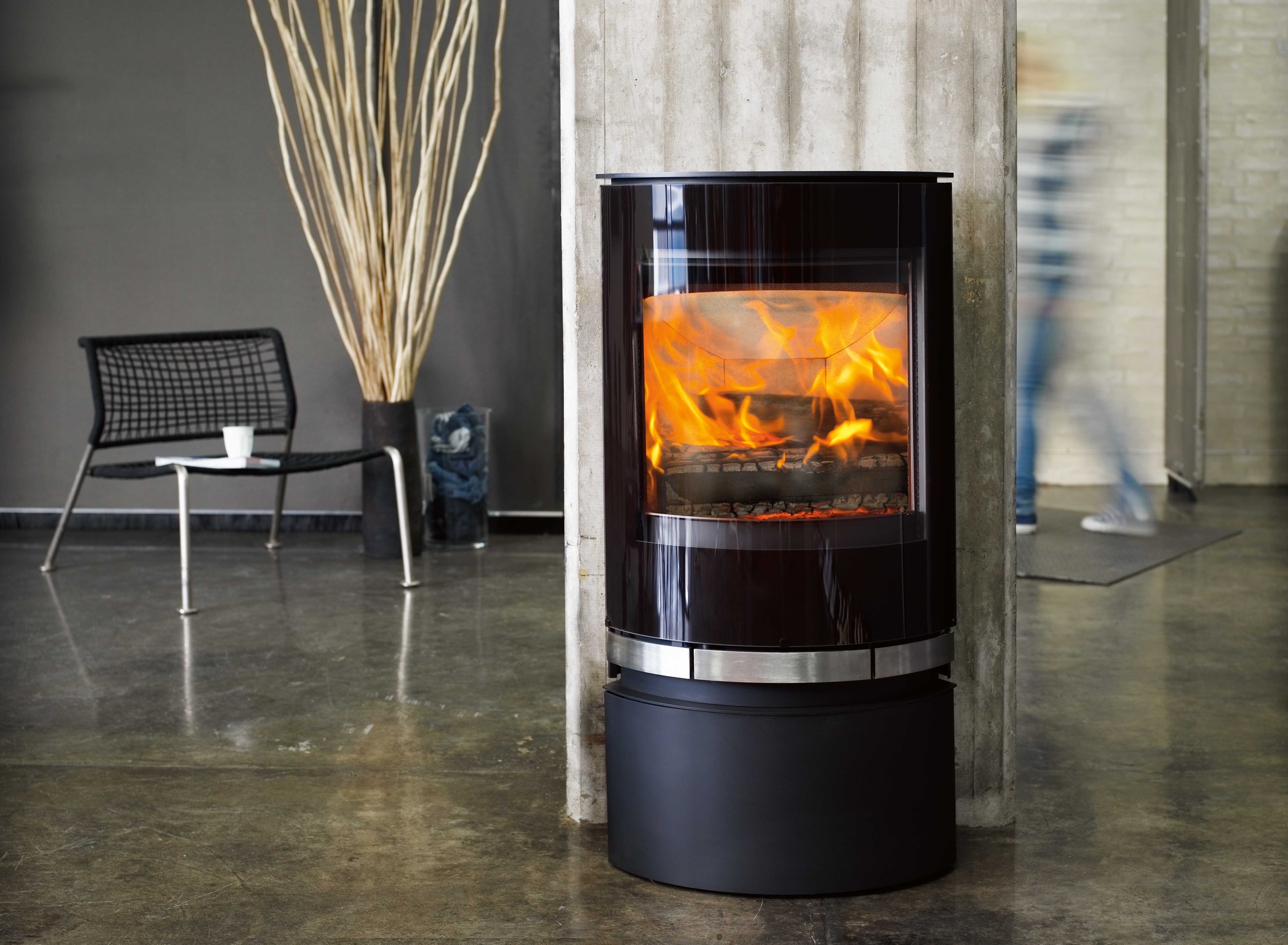
Clean lines and large glass areas suit modern interiors, extensions and renovated homes.
Architectural
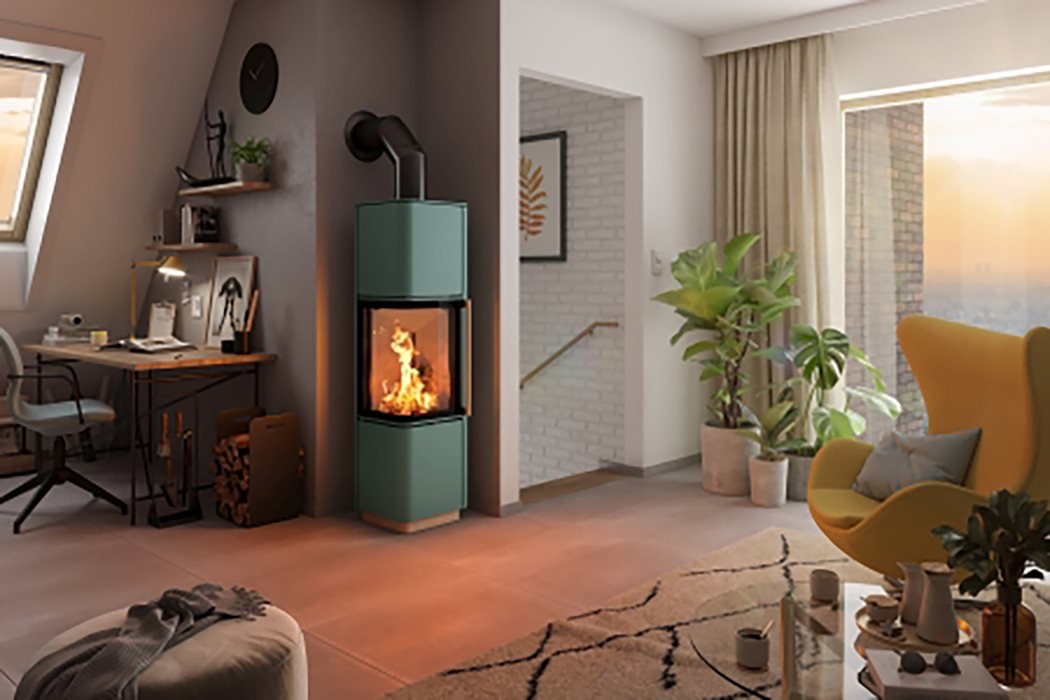
Larger and more design-led fires can become part of the architecture of the room rather than simply an appliance within a fireplace.
Compare stove brands by design and application
Different manufacturers approach stove design in different ways. Rather than selecting by brand name alone, think about the type of appliance that best suits the property.
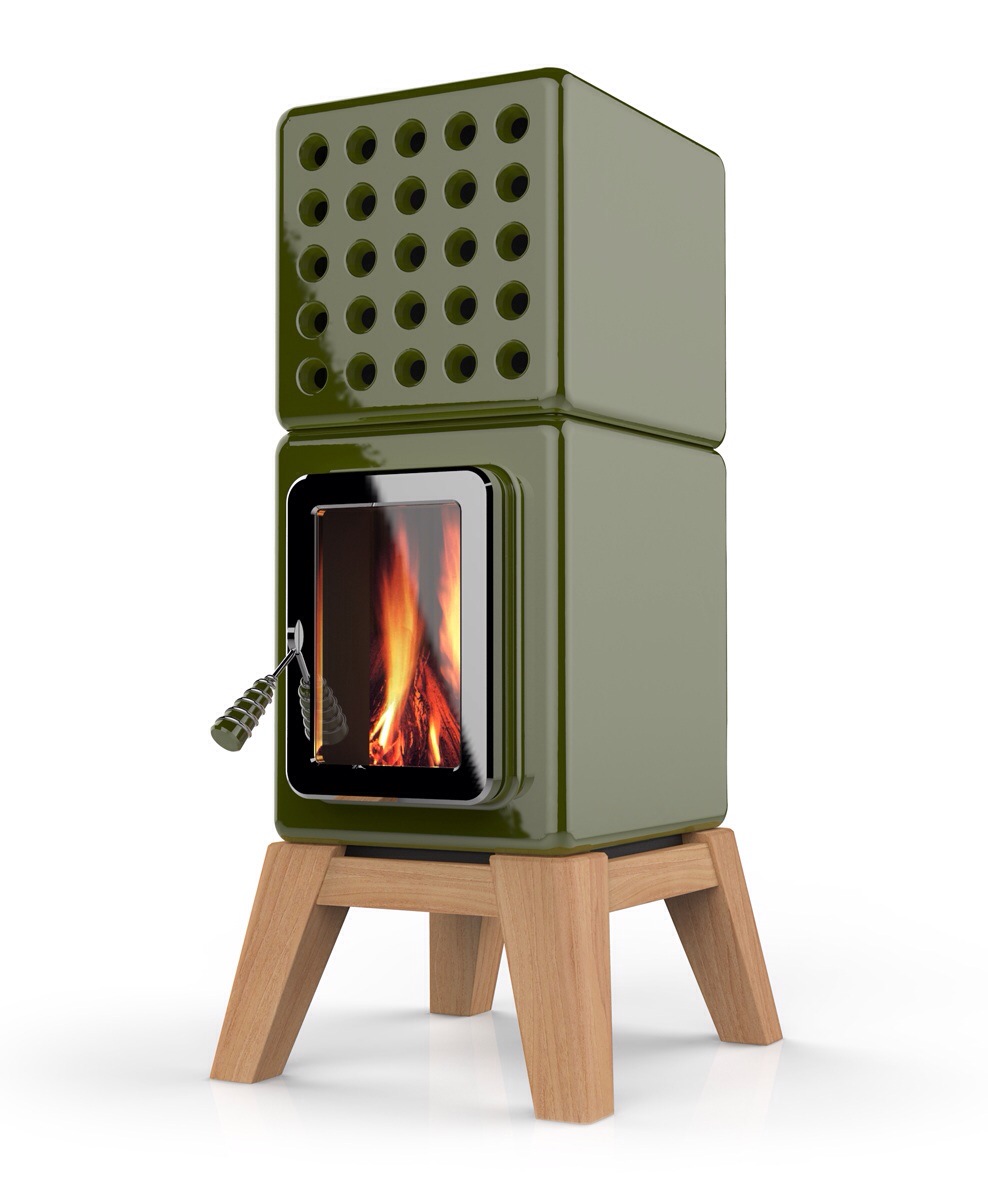
Stack
Italian ceramic stove design with distinctive forms and colour. Explore Stack Stoves .
Stûv
Belgian design with an architectural emphasis and large fire views. Explore Stûv .
Spartherm
German-engineered appliances and fires for contemporary interiors. Explore Spartherm .
Charnwood
British-made wood burning stoves with both traditional and modern options. Explore Charnwood .
Nordpeis
Scandinavian designs including freestanding and contemporary fireplace options. Explore Nordpeis .
The Hobbit Stove
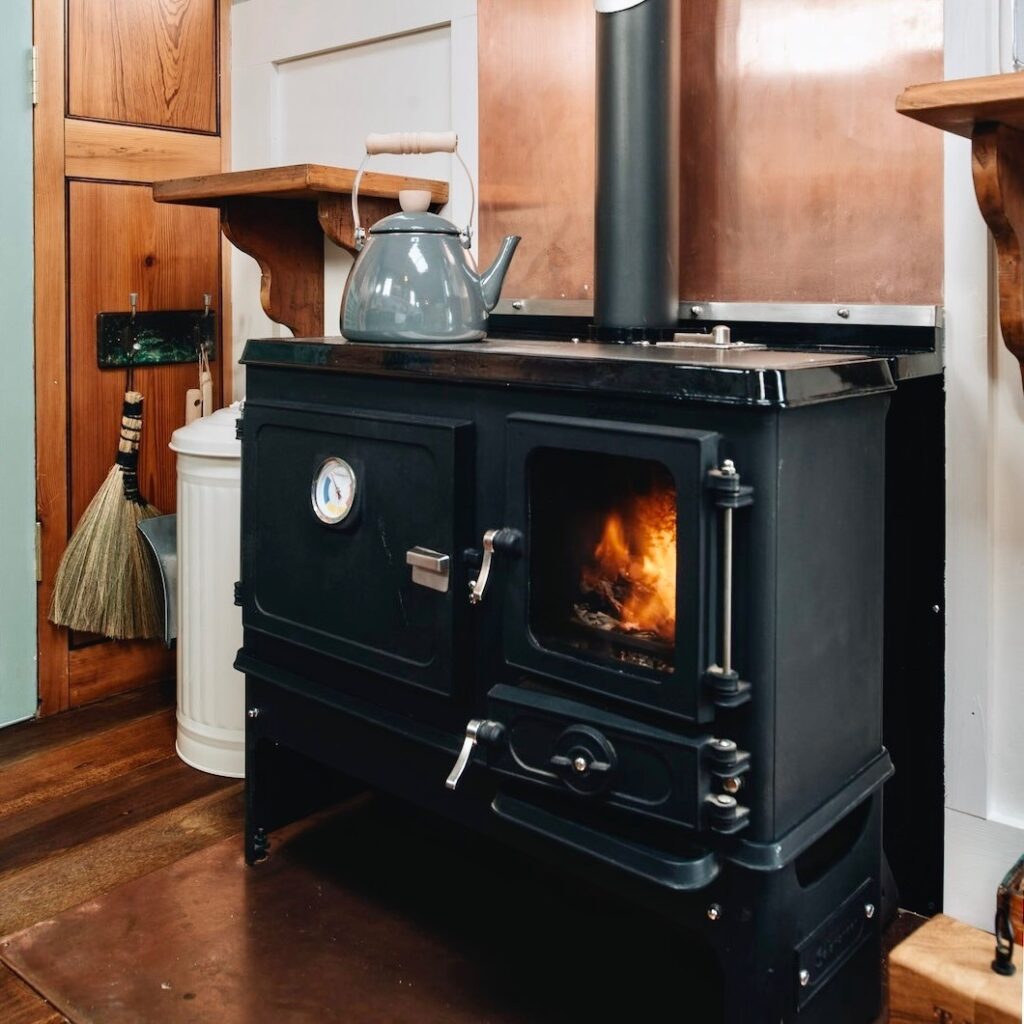
A compact stove range suitable for smaller spaces and restrictive fireplace dimensions. Explore The Hobbit Stove .
Consider the chimney before buying the stove
The chimney or flue is fundamental to how the stove will operate. The proposed appliance should therefore be considered alongside the chimney, not separately from it.
Existing masonry chimney
The existing chimney should be assessed for the proposed appliance. Depending on the installation, a suitable flexible flue liner and terminal may form part of the final specification.
No existing chimney
A wood burning stove may still be possible using a factory-made insulated twin-wall chimney system, subject to the property and a suitable flue route.
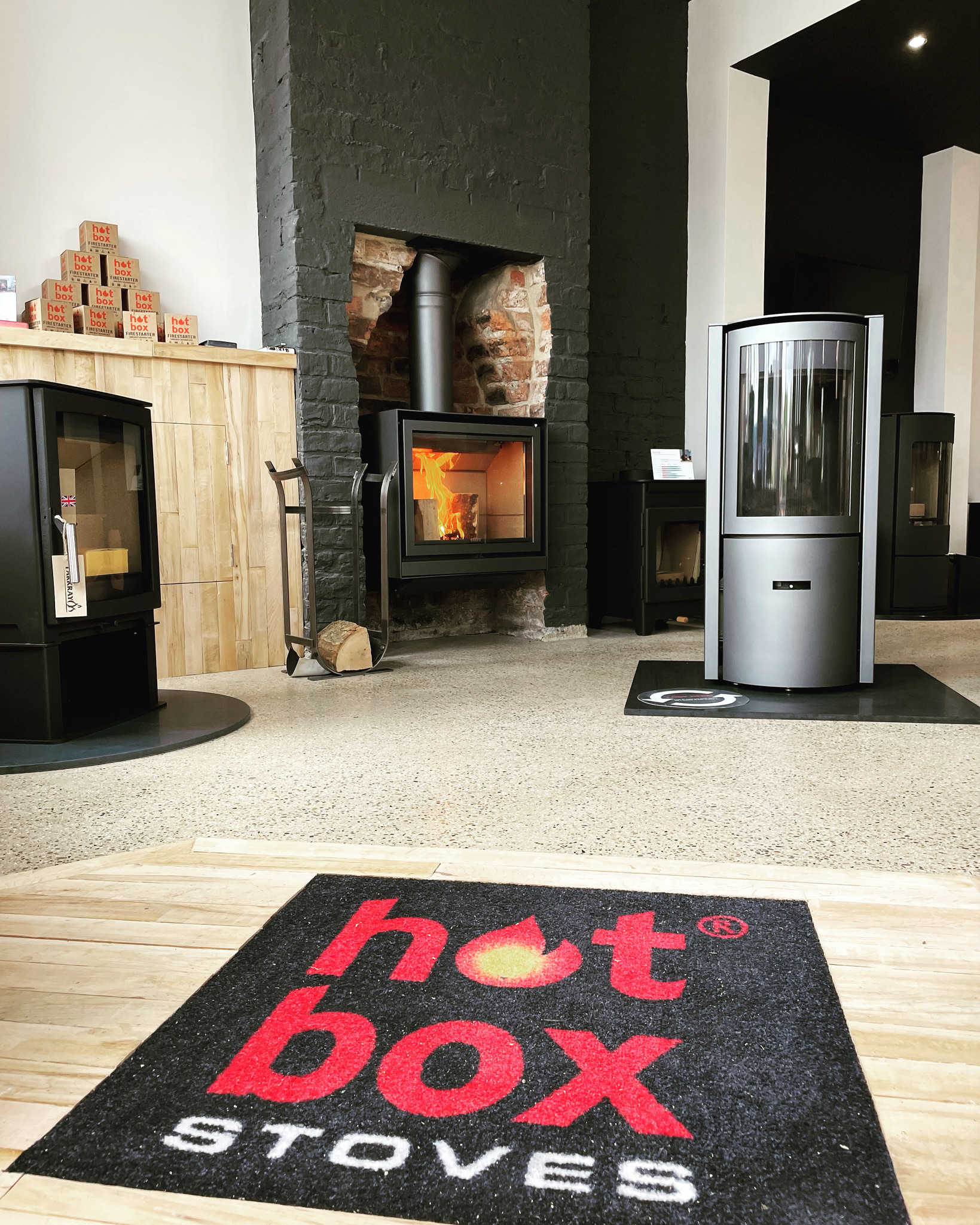
Measure the fireplace, hearth and clearances
The physical space around the stove can determine which appliances are suitable.
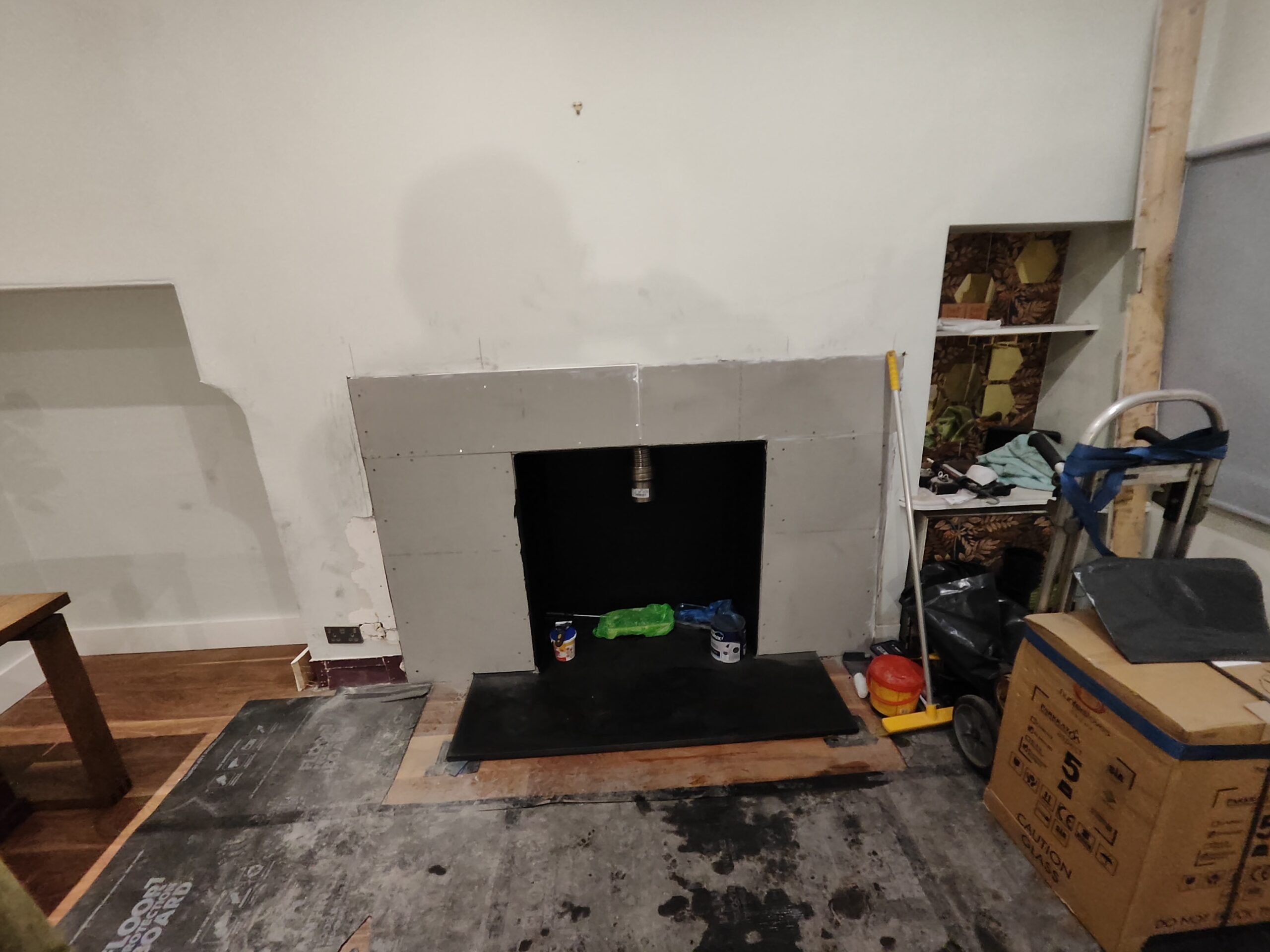
Existing fireplace openings can sometimes be adapted, but the final arrangement needs to provide suitable space for the appliance, hearth, flue connection and required separation from combustible materials.
- Width and height of the fireplace opening
- Depth of the recess
- Existing hearth size and construction
- Combustible beams, trim and nearby finishes
- Position of the proposed flue connection
- Manufacturer-specific clearances
Learn more about fireplace recess and hearth construction .
Think about combustion air and the type of building
A stove requires an adequate supply of combustion air. This can be particularly important in modern, renovated or highly airtight homes.
Some appliances can be connected to a dedicated external air supply, subject to the stove and installation design. This may be relevant when selecting an appliance for a newer or highly insulated property.
Read more about combustion air and direct-air stove systems .
Choose the stove with fuel quality and operation in mind
The performance of a modern stove depends not only on the appliance but also on how it is operated and the fuel used.
Suitable dry wood and correct operating technique are important for clean combustion. Burning wet fuel can result in poorer combustion, deposits within the chimney and reduced performance.
If the property lies within a smoke control area, the suitability of the proposed appliance and fuel should be checked before purchase.
Stove performance depends on the complete relationship between the appliance, fuel, room, chimney and user.
Wood burning stoves and Scottish Building Standards
Solid-fuel appliance installations in Scotland need to be considered within the Scottish building standards framework.
Requirements can affect the appliance, chimney or flue, hearth, separation from combustible materials, ventilation and carbon monoxide detection.
The precise requirements depend on the building and proposed work, which is another reason to understand the installation before purchasing the stove.
Further information is available from the Scottish Government Building Standards .
Plan the complete wood burner installation
Once the preferred stove has been identified, the appliance needs to be incorporated into a complete installation specification.
Depending on the property, this may include:
- Existing chimney assessment
- Flexible chimney liner
- New twin-wall chimney system
- Fireplace alteration
- New hearth
- Combustion-air provision
- Chimney termination
- Installation, testing and commissioning
Six questions to answer before buying a wood burner
How much heat does the room actually need?
Establish the approximate heating requirement before deciding on appliance output.
Do you have an existing chimney?
The answer influences the likely flue system and installation route.
How much space is available?
Measure the fireplace or proposed stove position before falling in love with a particular model.
What style suits the property?
Decide whether the stove should blend into the room or become a design feature.
How frequently will you use it?
Daily winter use and occasional evening use can create different priorities.
What does the complete installation require?
Understand the chimney, hearth, air supply and fireplace requirements before purchasing the appliance.
Choosing a wood burning stove in Scotland FAQs
What size wood burning stove do I need?
The appropriate output depends on factors including room volume, insulation, glazing, air leakage, adjoining spaces and intended use. A simple floor-area calculation should only be treated as a starting point.
Should I choose the stove before arranging an installation survey?
It is often better to identify a shortlist rather than purchase the appliance first. The survey can establish whether the stove is suitable for the fireplace, chimney, flue and room.
Can I install a wood burner without a chimney?
Often, yes. A factory-made insulated twin-wall chimney system can provide a flue route in many homes without an existing masonry chimney, subject to the building and proposed route.
Is a bigger stove better?
No. Oversizing can make the room uncomfortable and may encourage poor operating practices. The stove should be appropriately matched to the heating requirement of the space.
Which stove brands does Hot Box® Dundee supply?
Our range includes brands such as Stack, Stûv, Spartherm, Charnwood, Nordpeis and The Hobbit Stove, with availability varying by product and model.
Do you supply and install wood burning stoves in Dundee?
Yes. Hot Box® Dundee handles stove enquiries across Dundee and surrounding areas including Angus, Perthshire and north-east Fife, subject to location and project scope.
Shortlist the stove — then understand the installation
If you are choosing a wood burning stove in Scotland, explore our stove collection and tell us about your property, fireplace and chimney. We can help you understand which type of appliance is likely to work best before the final installation is specified.
